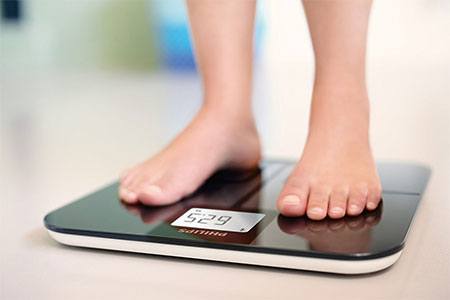
Early Morning Habits That Causes Weight Gain

Early Morning Habits That Causes Weight Gain

Early Morning Habits That Causes Weight Gain

Maintaining a healthy weight is a challenging task that requires constant effort and discipline. While many of us focus on our diet and exercise routine to shed those extra pounds, we often overlook the impact of our morning habits on our weight. It is a common misconception that only unhealthy food choices and lack of physical activity contribute to weight gain. In reality, even some of our daily morning habits can cause weight gain.


Morning Habits That Cause Weight Gain

Here are some morning habits that lead you to experience weight gain even after struggling with perfect exercise routine and healthy and balanced diet.


Skipping Breakfast

Skipping breakfast may seem like a quick fix to cut down on calories, but it is one of the worst habits you can have when it comes to weight gain. When you skip breakfast, your body goes into starvation mode, which slows down your metabolism, making it difficult to burn calories. Additionally, when you skip breakfast, you tend to overeat during lunch or snack on unhealthy foods throughout the day.


Not Drinking Enough Water


Drinking water early in the morning can help boost your metabolism and aid in weight loss. When you don't drink enough water, your body can confuse thirst for hunger, leading to unnecessary snacking and overeating. Drinking water in the morning can also help flush out toxins from your body, making it easier to maintain a healthy weight.


Sleeping in


While it may be tempting to snooze your alarm and sleep in, doing so can lead to weight gain. When you oversleep, you tend to skip breakfast, which, as we already know, can slow down your metabolism and lead to overeating. Additionally, oversleeping can throw off your body's natural sleep-wake cycle, leading to increased hunger and cravings throughout the day.


Eating High-Calorie Breakfast Foods


If you do have breakfast, make sure to choose healthy options. Eating high-calorie breakfast foods such as pastries, pancakes, and waffles can lead to weight gain. These foods are often high in sugar and refined carbohydrates, leading to a spike in blood sugar levels and subsequent cravings for more unhealthy foods throughout the day.


Not Exercising

Exercise is a crucial component of maintaining a healthy weight. Not exercising in the morning can lead to weight gain by slowing down your metabolism and making it difficult to burn calories. Exercise helps boost your metabolism and keeps it active throughout the day, making it easier to burn calories and maintain a healthy weight.


Not Getting Enough Morning Sunlight

Do you know not getting enough morning sun light also leads to gaining weight? According to several studies UV rays from sun in the morning is healthy and it even provides energy to your body by increasing the metabolic activity.

So, when you wake up in the morning, do not hang out around indoors just go out and enjoy sunlight. Try some yoga and meditation for at least 30 minutes every day which helps you for healthy weight loss.
Every Night Before You Go To Bed, Drink This Mixture: You Will Remove Everything You Have Eaten During The Day Because This Recipe Melts Fat For Full 8 Hours

Every Night Before You Go To Bed, Drink This Mixture: You Will Remove Everything You Have Eaten During The Day Because This Recipe Melts Fat For Full 8 Hours

Did you know that Overweight individuals who have issues with corpulence know about how hard is to shred those additional kilograms. A standout amongst the most troublesome parts to tone is the stomach and the thighs. In these regions the fat stores effortlessly and you can hardly get rid of it.
Indeed, we have uplifting & great news: there is an approach to soften these fat stores around the belly and thighs.
Every Night Before You Go To Bed, Drink This Mixture: You Will Remove Everything You Have Eaten During The Day Because This Recipe Melts Fat For Full 8 Hours

Underneath we will show you one recipe that is considered as one of the best and fast fat eliminators. Additionally, it diminishes your waistline overnight and you won’t believe it.

Read More Doctors are Speechless ,This Recipe will help you lose all of Your Body Fat in 3 Days
Furthermore, you will get a few favorable circumstances, for example, cleansing your gathering of toxins, boosting the processing framework and outfitting the body with basic supplements it requires.
All individuals who have attempted this formula say that it is truly successful and you should try it.


Here’s the equation:

Around one hour before you to bed, mix:


  • Lemon
  • Parsley
  • Cinnamon
  • Vinegar
  • 1 teaspoon of nectar or ginger
Use this blend and get some great rest for 8 straight hours. Soon you will see that the pounds are shedding super quick!
4 Types of Big Belly That Aren’t Caused By Overweight

4 Types of Big Belly That Aren’t Caused By Overweight

Summer is here, and we all want to look perfect. But most of us are ashamed to wear bikini because of having a big size tummy.

Learn more about the causes of unwanted growth around the waist and how to get rid of it.

Stress Belly

This type of belly is thick, not loose and occurs when the fat is concentrated around the belly button.


4 Types of Big Belly That Aren’t Caused By Overweight

The causes: Chronic stress, skipping meals, drinking lots of coffee, (IBS) irritable bowel syndrome, eating junk food.

How to get rid of it: It’s very important to go to bed early and relax before sleep. Deep breathing exercises, relaxing bath, or meditation will do the trick. Don’t overexert your body with cardio exercising, instead you can take long walks or do yoga. Include magnesium in your diet. This mineral can be found in nuts, dark green veggies and wheat bran.
 
Low Belly

This type of belly often occurs in slim people.


4 Types of Big Belly That Aren’t Caused By Overweight

The causes: Recent motherhood, monotonous exercise in the gym, doing lots of crunches and squats, unhealthy diet, spinal curvature.

How to get rid of it: Include foods rich in fiber in your diet, such as green leaf veggies and whole-grain bread. If you are doing to much squats, you’re probably doing them incorrectly, and exerting too much effort on your lower back. Replace them with planks. You can also try circuit training, that way, you’ll work every muscle group.
 
Inflated Belly

This type of belly is flat in the morning, but grows during the day.

4 Types of Big Belly That Aren’t Caused By Overweight


The causes: Intestinal flora imbalance, food allergy, sluggish bowels.

How to get rid of it: Avoid drinking alcohol and eating sweets and processed dairy products. Choose a diet rich in fresh vegetables, meat, chicken, and fish. Never skip breakfast and don’t eat at night. Swelling may be a sign of imbalanced intestinal flora, that’s why it’s important to take pre- and probiotics, that can be found in sour cream and certain fruit and vegetables such as cabbage, garlic, and onion.
 
Pillow Belly

This type of belly is like a soft pillow with cushions on your sides.

4 Types of Big Belly That Aren’t Caused By Overweight


The causes: Consuming lots of sugar and refined carbs, drinking excess alcohol, sedentary lifestyle, sweet tooth.

How to get rid of it: Drink alcohol in moderation. You can have 3-4 glasses of wine a week. Include eggs, lean meat, and vegetables as well as good fats, such as avocado, nuts, and high-fat fish in your diet. Find time for exercising and go for long walks.

Source: Bright Side
6 Causes And Remedies For Bloated Stomach

6 Causes And Remedies For Bloated Stomach

Bloated Stomach, uncomfortable and sore stomach is a feeling too familiar to many women. One day your belly looks flat and your favorite jeans fit perfectly, and the next day you can barely close them.

6 Causes And Remedies For Bloated Stomach
The secret to the solution is to find the cause! Discover how to end the problem based on the six most common triggers.

1. If you are constipated …
There is only so much that the colon can do! Therefore, without proper functioning and traffic jam, not only tension is created in the walls of the intestine; It gives the intestinal bacteria time to ferment, generating gases and an air reflux that produces the sensation of stomach pressure and Bloated.

Solution:

Drink coffee. Caffeine can stimulate the intestine and cause it to move, although adding milk can cause more Bloated if you are sensitive to dairy, so “black” is the best option. Of course, keep in mind that in excess, caffeine can dehydrate, and dehydration can slow everything down even more.

Take a walk or go for a run. Increasing the heart rate sends a signal to the colon to move, because the intestines, like the heart, also need exercise for optimal health.

Take a mild laxative. When none of the above works and you are completely constipated, it is time to consider a mild laxative. Look for sodium phosphate among the ingredients, as it will make everything flow easily, and watch out! If one dose does not work, do not take another, check with your doctor immediately.

2. If you ate too much …
Clearly the space inside your body is limited, so you cannot pretend that your organs stretch and give in when you exceed. But beware! Bloated is not only about how much you eat, or what you eat, it is also important to consider how you eat it. If you are one of those who eat at full speed, be careful, because you are swallowing excess air.

Taking a massage Starting on the lower right side of your abdomen, press upward, toward the ribs, and then to the left side and downward in a “U” shape, as the natural direction in which things move in the colon. Repeat the massage for a few minutes and you will feel less full.

Drink mint tea. It has medicinal properties for the intestine! It facilitates movement, relaxes nerves and restores bacterial balance. It really is a magic potion to provide relief. Also consider that fennel and ginger, either in tea or in supplements, can also help.

3. If you ate something that your body cannot digest …
Just because you are eating healthy does not mean that you like everything, such as foods rich in dietary fiber for some are difficult to digest. Insoluble fiber, (found in whole grains and most vegetables) can help keep you steady, but soluble (found in beans, legumes, nuts, and fruits) can block the colon, causing intestinal bacteria to ferment and produce gas.

The same goes for foods such as milk, yogurt, soft cheeses, wheat, onions, garlic, high-fructose corn syrup, sugar-free sweets, and some fruits that for some people become almost impossible to digest and consume them cause gas, abdominal pain and Bloated. (It all depends on your sensitivity).

Solution:

Take an anti flatulence pill. These magic pills create a chemical reaction that gets rid of the gas so you don’t have to wait for the air to move through the colon to feel relief (as long as the gases are really the culprits of pain and discomfort).

Avoiding foods that you dislike. The moment you identify the foods that your body cannot process, if you eliminate them, you will stop suffering the effects. It is best that you do this procedure with a doctor.

4. If you have PMS …
During the second half of your cycle the levels of the female hormone progesterone increase, which could contribute to fluid retention making you feel bloated. This is just one more of the premenstrual symptoms, which can last about six days a month, especially if you don’t take birth control pills that regulate the fluctuations of this hormone.

Use a heating pad. Thus you manage to calm the discomfort of a symptom that unfortunately cannot be controlled.

Apply peppermint oil. Add one or two drops of the highly concentrated essential oil to a tablespoon of your body cream and topically top it to your abdomen.

Practice yoga, During these days it is normal that you do not feel like doing intense training, but exercise is necessary as it increases circulation and relieves colic and Bloated. That is why yoga is an ideal option. In addition, stretching and movement can also help you move your intestines to relieve Bloated related to constipation and gas.

5. If you had a stomach virus …
A stomach virus, a bacterial infection or the use of antibiotics can alter the bacterial balance of your intestine. Either because of a virus or because you were on vacation and were exposed to different environments, foods and water, shaking your usual food and sleep routine can result in constipation and discomfort.

Solution:

Take a probiotic pill. Take it daily for up to two weeks to help restore good and bad bacterial balance in the intestine.

Discover the difference between probiotic and prebiotic.

6. If you are stressed, anxious or depressed …
It is no secret to any that our mental state can alter the way our brain communicates with the intestine. So stress can affect Bloated, making you more sensitive to stretching the intestinal walls and prone to visceral pain.

Ask your doctor about a low dose antidepressant. In this way you can remedy the lack of communication between the brain and the intestine that accentuates your discomfort.
Harmful effects of being overweight underestimated

Harmful effects of being overweight underestimated


The harmful effects of being overweight have been underestimated, according to a new study that analysed body mass index (BMI), health and mortality data in around 60,000 parents and their children, to establish how obesity actually influences risk of death. The University of Bristol study is published in the International Journal of Epidemiology (Dec. 1).

Previous studies have suggested that the optimum BMI, at which the risk of death is minimised, appears to be above the range normally recommended by doctors, leading to claims it is good for health to be mildly overweight. However, scientists suspect these studies do not reflect the true effect of BMI on health, because early stages of illness, health-damaging behaviours, such as cigarette smoking, and other factors can lead to both lower BMI and increased risk of death. This makes it difficult to estimate how BMI actually influences risk of death (the causal effect), as opposed to the observed association between BMI and risk of death. This aim of this study was to assess the causal link between BMI and risk of death.

Using HUNT, a Norwegian population-based health cohort study based in a rural county with 130,000 residents, the Bristol Medical School team, with co-workers from the Norwegian University of Science and Technology, were able to see how mortality in the parents related to both their own BMI (the conventional approach) and to the BMI of their adult children. Because BMI of parents and their offspring is related, due to genetic factors, offspring BMI is an indicator of the BMI of the parents. The BMI of adult children is not influenced by illness among the parents, therefore using offspring BMI avoids the problems inherent in simply relating the BMI of the parents to their risk of death.

The health records of around 30,000 mother and child pairs and 30,000 father and child pairs were assessed to examine the extent to which BMI may influence mortality risk in a situation that is not biased by "reverse causation" -- illness leading to low BMI rather than BMI influencing illness.

The team found that when offspring BMI was used instead of the parent's own BMI, the apparent harmful effects of low BMI were reduced and the harmful effects of high BMI were greater than those found in the conventional analyses. Importantly, the results suggest that previous studies have underestimated the harmful effects of being overweight.

The current advice from doctors to maintain a BMI of between 18.5 and 25 is supported by this study, and the widely reported suggestion that being overweight may be healthy is shown to be incorrect.

Dr David Carslake, the study's lead author and Senior Research Associate from the MRC Integrative Epidemiology Unit (IEU) at the University of Bristol, said: "An alarming increase in obesity levels across the world which have risen from 105 million in 1975 to 641 million in 2014, according to a recent Lancet study, create concern about the implications for public health.

"This study demonstrates that correlation is not causation and that when it comes to public health recommendations we need to be cautious interpreting data based on associations alone. We found that previous studies have underestimated the impact of being overweight on mortality and our findings support current advice to maintain a BMI of between 18.5 and 25."

Professor George Davey Smith, Director of the MRC IEU and Professor of Clinical Epidemiology at the University of Bristol, added: "We are used to seeing conflicting studies purporting to show that something is either good or bad for our health. These generally come from naïve observational studies, which can produce seriously misleading findings. More robust approaches for identifying the causal effects of factors influencing health, such as the methods applied in this study, are required if we are to make recommendations for public health based on reliable evidence."


Story Source: Materials provided by University of Bristol.
Three-week Diet-Exercise Study Shows 50 Percent Reversal In Metabolic Syndrome, Type 2 Diabetes

Three-week Diet-Exercise Study Shows 50 Percent Reversal In Metabolic Syndrome, Type 2 Diabetes


Obese and overweight individuals suffering metabolic syndrome and Type 2 diabetes showed significant health improvements after only three weeks of diet and moderate exercise even though the participants remained overweight.

"The study shows, contrary to common belief, that Type 2 diabetes and metabolic syndrome can be reversed solely through lifestyle changes," according to lead researcher Christian Roberts of University of California, Los Angeles.

"This regimen reversed a clinical diagnosis of Type 2 diabetes or metabolic syndrome in about half the participants who had either of those conditions. However, the regimen may not have reversed damage such as plaque development in the arteries," Roberts said. "However, if Type 2 diabetes and metabolic syndrome continue to be controlled, further damage would likely be minimized and it's plausible that continuing to follow the program long-term may result in reversal of atherosclerosis."

"The results are all the more interesting because the changes occurred in the absence of major weight loss, challenging the commonly held belief that individuals must normalize their weight before achieving health benefits," Roberts said. Participants did lose two to three pounds per week, but they were still obese after the 3-week study.

The study, "Effect of a diet and exercise intervention on oxidative stress, inflammation, MMP-9, and monocyte chemotactic activity in men with metabolic syndrome factors," is in the online edition of the Journal of Applied Physiology published by the American Physiological Society. Researchers were Christian K. Roberts, Dean Won, Sandeep Pruthi, Silvia Kurtovic, and R. James Barnard, all of UCLA; Ram K. Sindhu of Charles R. Drew University, Los Angeles; and Nosratola D. Vaziri of University of California, Irvine.

The study involved 31 men who ate a high-fiber, low-fat diet with no limit to the number of calories they could consume. The participants also did 45-60 minutes of aerobic exercise per day on a treadmill.

Fifteen of the men had metabolic syndrome, a condition that is characterized by excessive abdominal fat, insulin resistance, and blood fat disorders such as high levels of triglycerides (fat in the blood) or low levels of HDL (high density lipoprotein, or "good" cholesterol). Thirteen of the participants had Type 2 diabetes. There was also some overlap between the two groups and some participants who had neither metabolic syndrome nor Type 2 diabetes, but were overweight or obese.

"The diet, combined with moderate exercise, improved many factors that contribute to heart disease and that are indirect measures of plaque progression in the arteries, including insulin resistance, high cholesterol, and markers of developing atherosclerosis," Roberts said. "The approach used in this experiment of combining exercise with a diet of unlimited calories is unusual."

Low-calorie foods

The participants in the current study, who ranged in age from 46 to 76 years old, took part in a 21-day residential program at the Pritikin Longevity Center, formerly in Santa Monica, combining the Pritikin diet and exercise program. The daily diet was low fat (12-15% of calories), moderate protein (15-20% of calories), and high in unrefined carbohydrates (65-70% of calories) and fiber (more than 40 grams).

Natural foods -- whole grains (five or more servings daily), vegetables (four or more servings), and fruits (three or more servings) -- were the main source of daily carbohydrates. The sources of protein were plants (such as soy, beans, and nuts), nonfat dairy (up to two servings daily), and fish and poultry (3.5-ounce portion once a week and in soups and casseroles twice a week). The remainder of the calories came from fat with a polyunsaturated-to-saturated fatty acid ratio of 2.4 to 1.

"Aside from meat and dairy, the study participants could eat as much as they wanted," Roberts said. "Because the food was not as high calorie as a typical American diet, the participants ate less before feeling full. This is a departure from most diets, which usually leave the dieter feeling hungry," he said.

The men also exercised daily on a treadmill, including level and graded walking, for 45-60 minutes. The exercise program was tailored to ensure each individual reached 70-85% of maximum heart rate.

Next steps

Trials outside the laboratory environment are needed to test the regimen in the general population. "The findings are likely generalizable, although the magnitude of change is proportional to the degree of abnormality when the person begins the regimen," Roberts added.

Scientists also need to determine whether long-term lifestyle change can prevent or reverse end-organ damage noted in those with metabolic syndrome or Type 2 diabetes, Roberts said. These changes may be difficult to make but the payoff for individuals and society could be enormous.

Further studies are also needed in those who are at risk for metabolic syndrome or Type 2 diabetes. Individuals should still be tested to see if Type 2 diabetes and metabolic syndrome can be prevented in the first place. Individuals may be considered healthy before developing metabolic syndrome but looking healthy does not necessarily mean being healthy, he noted.


Source and funding

"Effect of a diet and exercise intervention on oxidative stress, inflammation, MMP-9, and monocyte chemotactic activity in men with metabolic syndrome factors," by Christian K. Roberts, Dean Won, Sandeep Pruthi, Silvia Kurtovic, and R. James Barnard, of the Department of Physiological Science at UCLA; Ram K. Sindhu of the Division of Endocrinology, Metabolism, and Molecular Medicine at Charles R. Drew University, Los Angeles; and Nosratola D. Vaziri of the Division of Nephrology and Hypertension, Department of Medicine at University of California, Irvine is in the online issue of the Journal of Applied Physiology published by the American Physiological Society.

Research was supported by a grant from the LB Research and Education Foundation, an independent foundation in California and a National Research Scholarship Award postdoctoral fellowship from the NIH.


The American Physiological Society was founded in 1887 to foster basic and applied bioscience. The Bethesda, Maryland-based society has more than 10,000 members and publishes 14 peer-reviewed journals containing almost 4,000 articles annually.

APS provides a wide range of research, educational and career support and programming to further the contributions of physiology to understanding the mechanisms of diseased and healthy states. In May 2004, APS received the Presidential Award for Excellence in Science, Mathematics and Engineering Mentoring (PAESMEM).


sources: sciencedaily