
Meditation techniques vary, though it can take time to figure out
which style is most fitting for you. If you find it hard to sit still,
for instance, you might enjoy meditating as you walk. Then again, you
may prefer to meditate while you rest in a comfy chair or lay on your
bed, in which case visualization meditation could be a great choice.
Here are five popular methods of meditation and a description of how to
practice them.
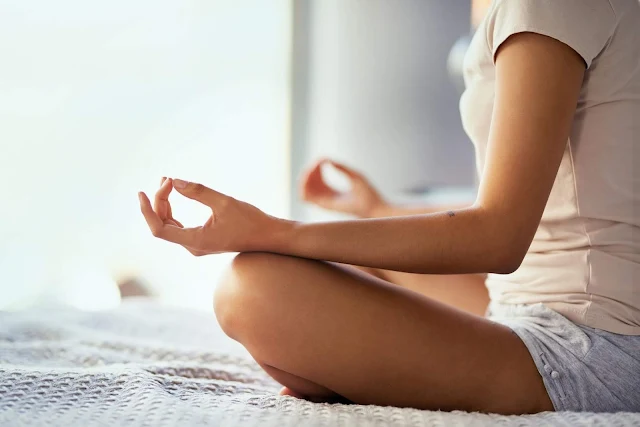
1. Body Scan Meditation
The body scan meditation can help to reduce stress and increase mindfulness for enhanced mental health. This simple practice calls you to focus on your body as you mentally scan from head to toe, noting different sensations. Begin with deep breaths while sitting comfortably. Next, close your eyes and inhale through your nose and exhale through your mouth. Notice how your body feels, beginning at the crown of your head.
Are you comfortable, or uncomfortable? There’s no need to do anything. Just recognize sensations as you scan along your body to the tip of your toes.
2. Walking Meditation
Many people walk without thinking about their actions. People might not recognize the benefits of exercise as they move. Rather, they may focus on a myriad of thoughts that contribute to stress. Walking meditation can help bring you into the present, away from focusing on concerns about the past or future, calming anxiety, and helping you appreciate the joy of movement.
You can start by paying attention to your body. Notice how you feel, where you place most of your weight, and your posture.
A goal of this exercise is to observe your body and attend to sensations related to your body and then shift your attention include a focus on your surroundings. This can help you connect with the environment, stay in the moment, and reduce stress.
You may choose to listen to sounds, look at colors, touch textures such as flowers, and soak up scents. You might even note flavors in the air depending on where you walk. If your mind wanders, do your best to return your attention to your body and then your surroundings once more, becoming as calm and present as you can be.
3. Mindful Eating
As with walking, you might eat with little thought. When you don’t pay attention to eating, however, you can’t enjoy your food fully. You miss flavors, texture, scent, color, and other qualities. People, noises, sights, and concerns may distract you and interfere with your ability to attend fully to the food you are eating.
Focus on your experience as you eat. Note what you sense about eating as you chew and swallow, and what it feels like to add food to your belly.
You might sometimes think about how much you enjoy foods because they make you feel good emotionally, yet not consider how your body feels when it receives the food. Notice what your body tells you while you eat. Do you recognize when your stomach expands and you are full? Do some foods make your belly uncomfortable?
Mindful eating could also help you recognize how food influences you. You may better understand when you’ve eaten enough or will benefit from reducing specific foods that disagree with you. At the same time, you might note which foods make you feel energetic or sleepy, and develop a healthier relationship with eating.
4. Visualization Meditation
Visualization meditation may be useful for easing stress before you engage in events, improving performance, inducing a sense of calm, alleviating pain, reducing anxiety, and increasing confidence.
You might try focusing on a particular object, event, or scene in your mind. Your choice might be an upcoming event, like giving a talk in public, for instance. In which case, you might see yourself talking confidently and imagine your are enjoying the performance. Or, you may prefer to picture a relaxing landscape, such as a sandy beach, and add details like the salty air, sound of waves, and soft texture of fine sand.
5. Gratitude Meditation
Gratitude meditation also has the potential to increase well-being and a sense of happiness. Many people reserve gratitude for specific times of the year like Thanksgiving, but it’s beneficial to count your blessings every day.
You might consider practicing gratitude meditation when you want to increase a sense of appreciation. You might reflect on how much you appreciate nature while you walk in the countryside, think about how thankful you are there’s plenty of food in your fridge when you open it or consider your blessings as a habit before you go to sleep. Pick a regular time so practicing becomes habitual, and ramp up gratitude whenever you can.
If you live in Colorado and struggle with depression, stress, or anxiety, you may consider reaching out to a psychiatrist in Boulder, who may be able to help you develop strategies to reduce stress and enhance a sense of calm or provide other resources.

1. Body Scan Meditation
The body scan meditation can help to reduce stress and increase mindfulness for enhanced mental health. This simple practice calls you to focus on your body as you mentally scan from head to toe, noting different sensations. Begin with deep breaths while sitting comfortably. Next, close your eyes and inhale through your nose and exhale through your mouth. Notice how your body feels, beginning at the crown of your head.
Are you comfortable, or uncomfortable? There’s no need to do anything. Just recognize sensations as you scan along your body to the tip of your toes.
2. Walking Meditation
Many people walk without thinking about their actions. People might not recognize the benefits of exercise as they move. Rather, they may focus on a myriad of thoughts that contribute to stress. Walking meditation can help bring you into the present, away from focusing on concerns about the past or future, calming anxiety, and helping you appreciate the joy of movement.
You can start by paying attention to your body. Notice how you feel, where you place most of your weight, and your posture.
A goal of this exercise is to observe your body and attend to sensations related to your body and then shift your attention include a focus on your surroundings. This can help you connect with the environment, stay in the moment, and reduce stress.
You may choose to listen to sounds, look at colors, touch textures such as flowers, and soak up scents. You might even note flavors in the air depending on where you walk. If your mind wanders, do your best to return your attention to your body and then your surroundings once more, becoming as calm and present as you can be.
3. Mindful Eating
As with walking, you might eat with little thought. When you don’t pay attention to eating, however, you can’t enjoy your food fully. You miss flavors, texture, scent, color, and other qualities. People, noises, sights, and concerns may distract you and interfere with your ability to attend fully to the food you are eating.
Focus on your experience as you eat. Note what you sense about eating as you chew and swallow, and what it feels like to add food to your belly.
You might sometimes think about how much you enjoy foods because they make you feel good emotionally, yet not consider how your body feels when it receives the food. Notice what your body tells you while you eat. Do you recognize when your stomach expands and you are full? Do some foods make your belly uncomfortable?
Mindful eating could also help you recognize how food influences you. You may better understand when you’ve eaten enough or will benefit from reducing specific foods that disagree with you. At the same time, you might note which foods make you feel energetic or sleepy, and develop a healthier relationship with eating.
4. Visualization Meditation
Visualization meditation may be useful for easing stress before you engage in events, improving performance, inducing a sense of calm, alleviating pain, reducing anxiety, and increasing confidence.
You might try focusing on a particular object, event, or scene in your mind. Your choice might be an upcoming event, like giving a talk in public, for instance. In which case, you might see yourself talking confidently and imagine your are enjoying the performance. Or, you may prefer to picture a relaxing landscape, such as a sandy beach, and add details like the salty air, sound of waves, and soft texture of fine sand.
5. Gratitude Meditation
Gratitude meditation also has the potential to increase well-being and a sense of happiness. Many people reserve gratitude for specific times of the year like Thanksgiving, but it’s beneficial to count your blessings every day.
You might consider practicing gratitude meditation when you want to increase a sense of appreciation. You might reflect on how much you appreciate nature while you walk in the countryside, think about how thankful you are there’s plenty of food in your fridge when you open it or consider your blessings as a habit before you go to sleep. Pick a regular time so practicing becomes habitual, and ramp up gratitude whenever you can.
If you live in Colorado and struggle with depression, stress, or anxiety, you may consider reaching out to a psychiatrist in Boulder, who may be able to help you develop strategies to reduce stress and enhance a sense of calm or provide other resources.

