5 Plants with Unexpected Healing Properties

5 Plants with Unexpected Healing Properties

5 Plants with Unexpected Healing Properties


In the realm of traditional medicine and natural remedies, plants have long been revered for their healing properties. While some plants are well-known for their medicinal benefits, others possess unexpected healing properties that might surprise even the most seasoned herbalists. From common backyard plants to exotic botanicals, here are five plants with unexpected healing properties:


1. Dandelion

Dandelion has got magnificent healing properties and are easily be grown on your lawn. Dandelions have the capacity to detoxify the liver which improves the respiratory system. They help fight disease-causing viruses and inflammation bacteria. Its a good idea to buy them from a store unless the garden is 100% organic. Dandelions can be consumed with salad or anything with vegetables. Drinking dandelion tea is something else you can do to take advantage of its healing powers.


2. Mint

Mint has a nice fragrance along with countless health benefits. Mint, especially peppermint, is used worldwide to cure various health-related problems. Mint is effective in combating problems related to the common cold like throat pain, coughing, and sinus problems. Mint is helpful for upset stomach, gas problems, nausea, and heartburn. Peppermint oil used in a steam bath provides relief of congestion and cough. Its oil helps in curing skin itchiness and muscle pain. Mint is also used as mosquito repellent in some countries.


3. Jewelweed

Jewelweed, more commonly known as touch-me-not is an amazing natural healer. A poultice prepared using Jewelweed is used to treat poison ivy rash. This poultice is also effective in curing cuts, burns, sprains, bug bites, and ringworm. Jewelweed should be used carefully as it can lead to deathly illness if used incorrectly. Getting help from a trained botanist is a good idea.


4. Schisandra

Schisandra berries have been used for ages in traditional Chinese medicine for their beneficial properties. Schisandra is an adaptogen, a plant extract that can reduce cellular sensitivity to stress. Its non-toxic with a broad range of health benefits. Schisandra is commonly known as five-flavored fruit. Schisandra extracts improve concentration, coordination, and endurance. It decreases fatigue and is widely used by athletes for its physical fatigue-reducing properties.


5. Dragon’s Blood

Dragon’s blood can be used to treat almost everything that can happen to skin including cuts, rashes, bites, burns, abrasions, and sores. It can reduce swelling and redness from wounds. Its sap contains a group of compounds called pro-anthocyanidins which repair collagen that makes up our tissues and has antibacterial and antifungal properties making it one of the first herbal choices for infections and wounds. Its available in North America at many health stores.


Rainforest Plants Used In Medical Treatments

Rainforest Plants Used In Medical Treatments


Rainforest Plants Used In Medical Treatments

In addition to playing a major role in balancing the global ecosystem, many rain forest plants also have huge medicinal value. Twenty-five percent of all current western medicines are derived from plants found in the rain forest. It is estimated that medical researchers have tested just 1% of the flora and fauna of the rain forests for medically active compounds, but at the current rate of destruction, there will be no rain forests left in just 40 years.


The following are just a few of the many medicinal plants found in the rainforests:

1. Curare
Found in the canopy of the South American forest, curare is a poisonous plant that grows as a large vine. Measuring about four inches at its base, this woody vine is capable of climbing a considerable height of about 30 metres high into the tree canopy.

Traditionally, curare was used by the Indians of South America to make poison for hunting animals in the forests. With its numerous pharmaceutical properties, curare is capable of treating testicular inflammation, enlarged prostate, kidney stones, and fever. Externally, it is used for treating bruises and poisonous snake bites. Due to the fact that its strong muscle-reluctant chemicals cannot be absorbed in the stomach, the roots and oral extracts are generally considered safe for human consumption.


2. Cat’s Claw (Uncaria Tomentoosa)
Cat’s claw is a woody vine found in the Peruvian Amazonian forests and the tropical jungles of Central America. Because of its claw-shaped thorns, it is also called hawk’s claw, sparrowhawk nail, and pot hook. It is thought that this plant may help in the treatment of conditions such as cancer, rheumatoid arthritis, and AIDS, though research is still ongoing and its efficacy has yet to be proven in clinical trials.


3. Cinchona Tree
Cinchona tree, commonly known as quina, is a native to the tropical Andes forests of the western region of South America. It is mainly used to make quinine, one of the most effective and reliable cures of malaria. On top of that, it is used for stimulating appetite and treating stomach problems as well as treating blood disorders such as haemorrhoids, leg cramps, and varicose veins. It is also used in eye lotions to kill bacteria and relieve itching. Some people use it to treat minor ailments such as the common cold, headaches, and mild fever.


4. Cocoa Tree

Due to its great medicinal value, the cocoa tree stands out as one of the most important rainforest plants. This tropical tree is unique in that it produces more than 155 chemicals that can be extracted from its bark, fruits, seeds, and leaves. The extracts are used to treat coughs, kidney stones, anxiety, fever, and external cuts and bruises.

Cocoa butter, which is obtained from the cocoa tree, is used in fine soaps and skin creams to reduce stretch marks, fight off free radicals, and treat skin conditions such as eczema, acne, and dermatitis.


5. Rosy Periwinkle
Originally found in Madagascar, Rosy Periwinkle was traditionally used for treating diabetes. It is used in the preparation of two of the most effective tools against childhood leukaemia that western medicine has, Vincristine, and Vinblastine. These drugs are responsible for increasing the prospects of surviving childhood leukaemia from just ten percent to around ninety five percent. If one plant highlights the true potential of the rainforests with regards to medical science, that plant is surely Rosy Periwinkle.


6. Ceiba Pentandra
Capable of growing up to an amazing height of about 85 metres, the kapok tree, also called the ceiba tree or the silk cotton tree, is the tallest tree in the Amazon Jungle. The trunk and branches are crowded with several thorns and the palmate leaves comprise of 6 to 10 leaflets, each measuring up to about 20 centimetres long.
There are many species of Kapok tree, and Ceiba Pentandra is just one such species. Ceiba Pentandra bark extracts are used by inhabitants of the Amazon not only as a treatment for headaches, but also to treat type two diabetes.


7. Annatto Tree
The annatto tree, also referred to as achiote or roucou, is a medicinal rainforest tree found in the tropical and subtropical regions of Central America and South America. The oil extract of this tree contains carotenoids, which offer protection against the harmful effects of UV rays. In addition, it serves as a powerful insect repellent and helps reduce blood pressure.


8. Pacific Bleeding Heart

The Pacific bleeding heart is a native to the forests of the Pacific north-west in western North America. It is a herbaceous rhizomatous perennial plant growing to a height of 45 centimetres and a width of 25 centimetres. It has deeply divided grey-green leaves and deep pink flowers.

Tincture, which is extracted from the roots of the Pacific bleeding heart, is used for various purposes such as alleviating anxiety. Externally, it is used to provide relief from sprains and bruises.


9. Yerba Mate

Yerba mate is a species of the holly family and is the primary source of the beverage called mate, which is traditionally consumed in subtropical South America, particularly in Bolivia, Paraguay, Brazil, north-eastern Argentina, and Uruguay. The tea is made by steeping the ground stems and leaves of the plant.

Yerba mate contains three xanthines: theophylline, theobromine, and caffeine, which combine to produce stimulant and relaxant effects. Yerba Mate has a stimulating effect on heart tissue, while relaxing the smooth muscle tissue found in blood vessels. It is therefore easy to see why many claim that Yerba Mate supports cardiovascular health.


10. Guarana
Featuring clusters of beautiful flowers, large leaves, and hard fruit, this climbing plant is a native to the Amazon basin. Guarana is widely used in sports energy drinks, it is a natural source of caffeine, and reputed to ease the pain of strained muscles. Guarana also contains Catechin, a natural antioxidant.

Natural Air Filters: Top 10 Houseplants to Reduce Indoor Air Pollution

Natural Air Filters: Top 10 Houseplants to Reduce Indoor Air Pollution

Natural Air Filters: Top 10 Houseplants to Reduce Indoor Air Pollution

Did you know that indoor air is generally more polluted than outdoor air? That’s right. Indoor air has a higher concentration of gases and particulates, due to inadequate ventilation and a variety of pollution sources inside the home like cleaning products and pressed wood furniture. Since people typically spend at least 80% of their time indoors, this is being recognized as a serious threat to people’s health.


The best way to combat indoor air pollution is to open windows and doors when possible and to minimize products that emit toxic pollutants. Another way is to bring nature inside for some help. Besides being beautiful and relaxing, houseplants are effective at removing ozone and Volatile Organic Compounds (VOCs) which make up a large portion of indoor air pollution.


Here are 10 easy-care houseplants to help you live a healthier life.

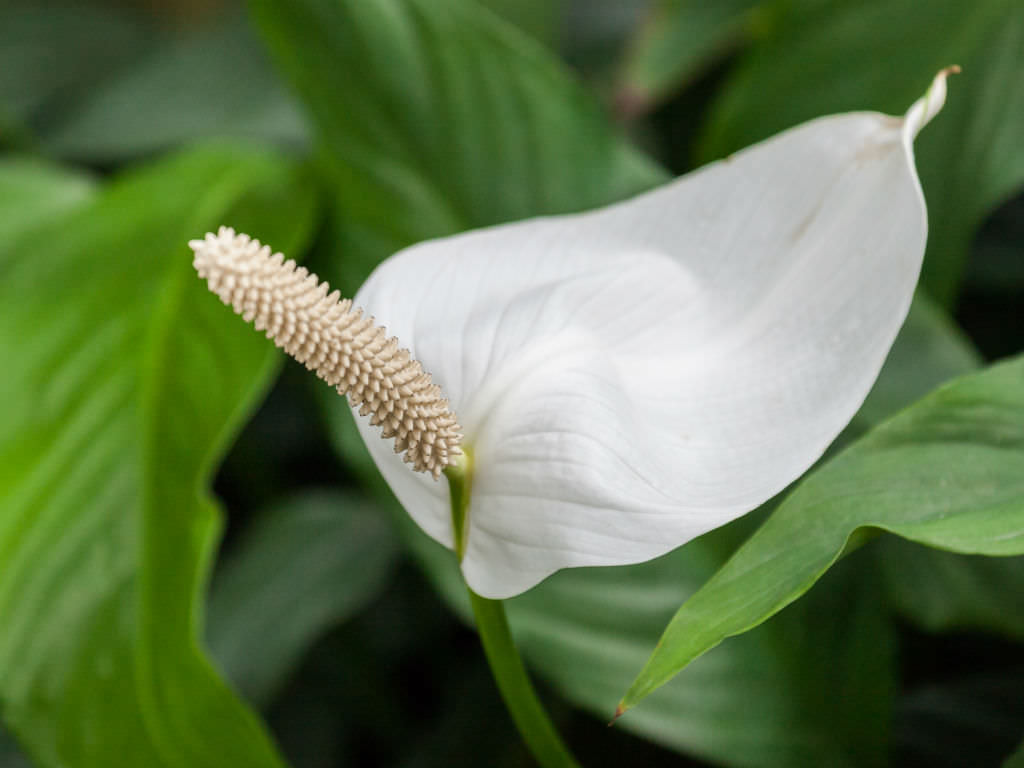
Peace lily (Spathiphyllum wallisii). Removes formaldehyde, benzene and trichloroethylene. Native to the rainforests of central and south American, this plant needs a shady spot.

Golden pothos (Scindapsus aures). Removes formaldehyde. A very tough vine that grows to massive proportions in its native habitat. In the home it prefers bright, indirect light and moist soil.

English ivy (Hedera helix). Removes formaldehyde. This pretty vine is a bit more difficult to grow, preferring cool, moist and humid conditions which are not typical of a home.

Chrysanthemum (Chrysanthemum morifolium). Removes benzene and formaldehyde. Can produce colorful flowers when placed in direct sunlight.

Gerbera daisy (Gerbera jamesonii). Removes benzene and trichloroethylene. Like the chrysanthemum, it needs direct sunlight to produce its pretty flowers.

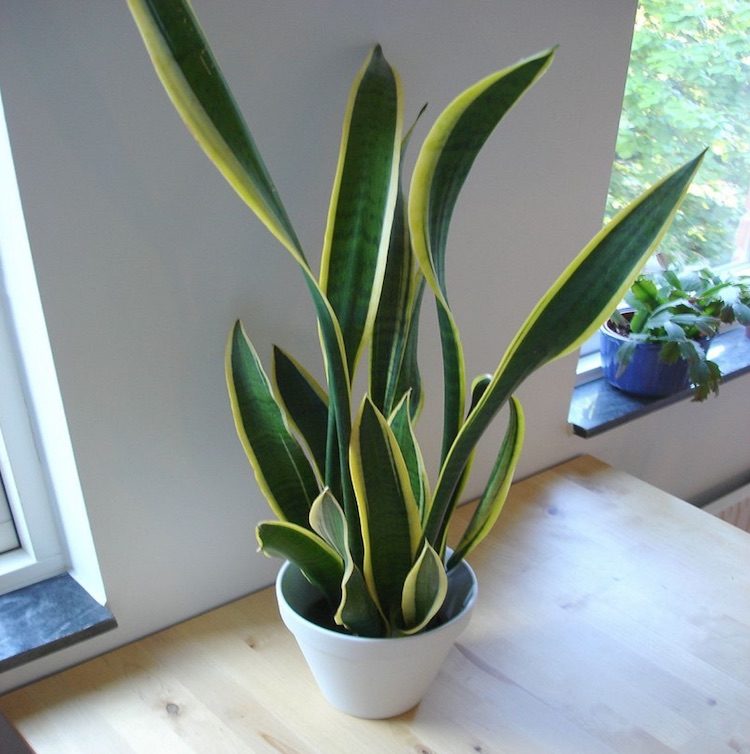
Mother-in-law’s tongue (Sansevieria trifasciata ‘Laurentii’). Removes formaldehyde. A striking, low-maintenance plants that thrives in low light and more humid conditions.

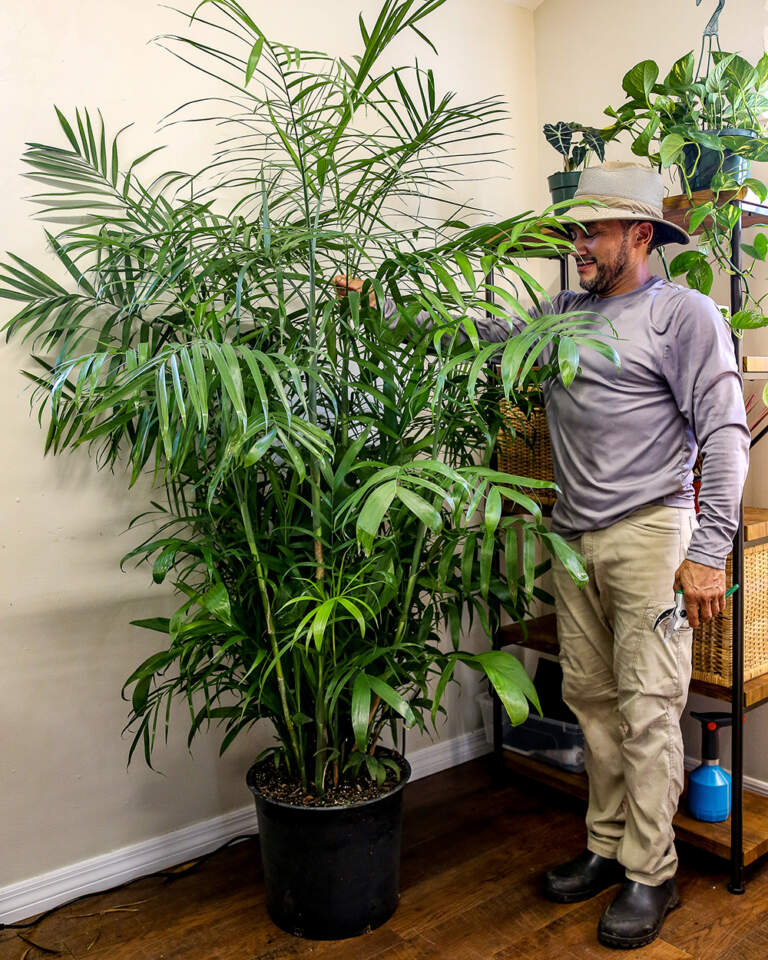
Bamboo palm (Chamaedorea sefritzii). Removes benzene, formaldehyde and trichloroethylene. This popular houseplant thrives in low light but cannot withstand overwatering.

Azalea (Rhododendron simsii). Removes formaldehyde. This dwarf azalea does best in a cooler setting out of direct sunlight and will reward you with beautiful flowers.

Red-edge dracaena (Dracaena marginata). Removes xylene, benzene and trichloroethylene. This plant can reach the ceiling of your home and the red edges bring a splash of color.

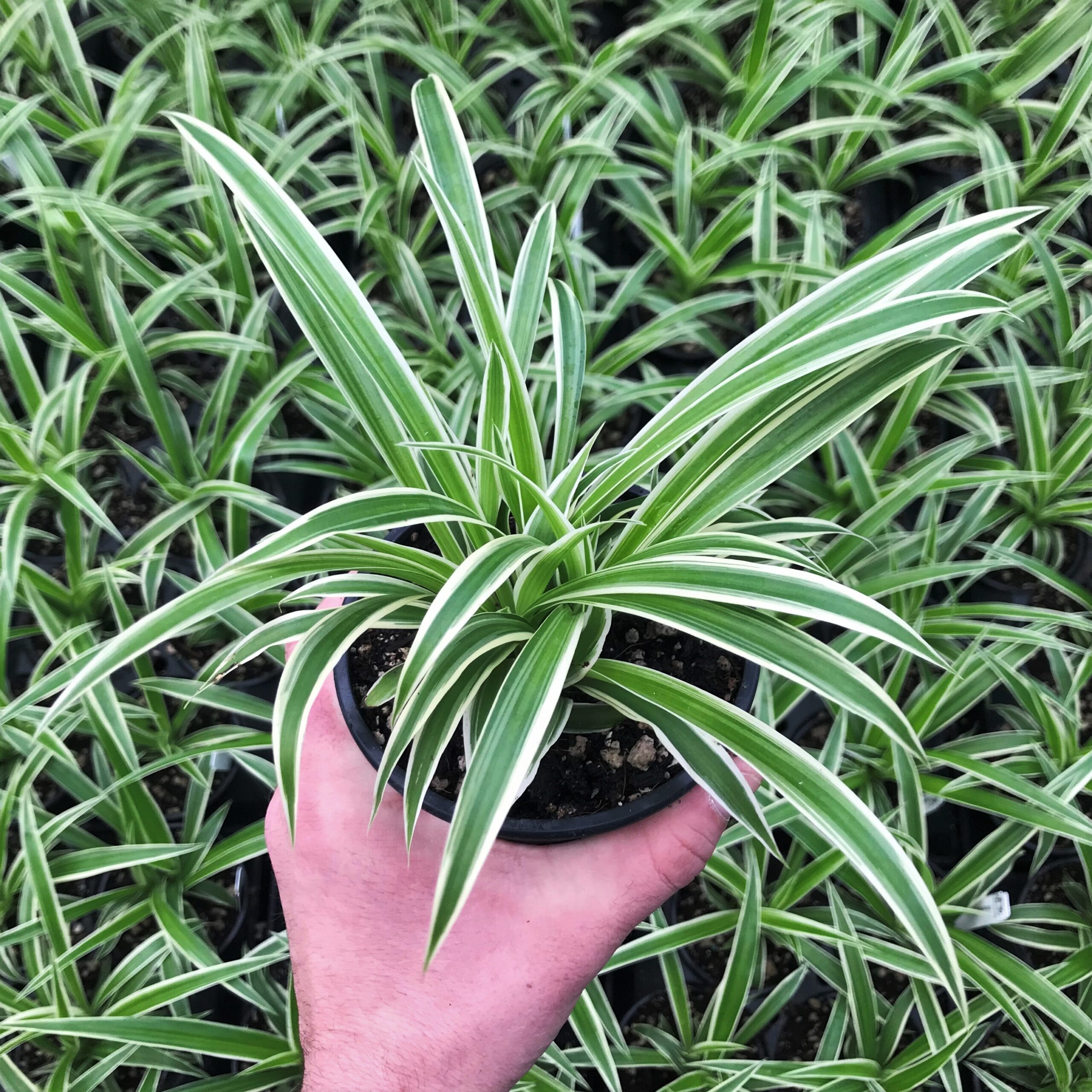
Spider plant (Chlorophytum comosum). Removes benzene, formaldehyde, carbon monoxide, and xylene. A very low maintenance plant with rich foliage and tiny while flowers.

SUPER BERRY – It Grows Everywhere and It Treats Tumor and Diabetes

SUPER BERRY – It Grows Everywhere and It Treats Tumor and Diabetes

SUPER BERRY – It Grows Everywhere and It Treats Tumor and Diabetes


It was only recently discovered by foreign researchers that white mulberries are super herbs. Our ancestors knew these berries had therapeutic qualities even before science studied them. White mulberry lowers cholesterol, lowers the risk of diabetes, guards against heart disease, and aids in weight loss.

Half as much sugar is present in dried mulberries as in other berries, such as raisins. Mulberry leaf contains additives that help normalize blood sugar levels, according to a survey.

It is also used as a folk remedy for the treatment of type 2 diabetes. White mulberry is rich in fiber for diet. 20% of our daily requirements of fiber can be satisfied with a quantity of one third of a cup of mulberry.

Regular use of these berries will reduce cholesterol and improve the digestive system. It is also rich with antioxidants.

According to a research at the University of Texas, white mulberry contains resveratrol, which is a natural phenol. It is useful in the fight against many types of cancer and heart diseases.

Other health benefits of white mulberry:

1. Source of Antioxidants

Antioxidants help lessen the damage caused by free radicals and the entire mulberry plant- leaves, stems, and fruit, contains antioxidants.


2. Immune System Support

Mulberries contain alkaloids that activate macrophages. Macrophages are white blood cells that stimulate the immune system, putting it on high active alert against health threats.


3. Supports Healthy Blood Sugar

More formal research is appropriate, but mulberry is thought to contain compounds that support balanced blood sugar levels.


4. Healthy Food

Dried mulberries are a great source of protein, vitamin C and K, fiber, and iron. Best of all, they’re available in health food stores everywhere!


5. Brain Protection

Do mulberries offer anything to the brain? Researchers at Khon Kaen University in Thailand set out to answer that question by evaluating the effect of mulberry on male rats with memory impairment and brain damage. Although further investigation is required before mulberries can be declared a cognitive enhancer and neuroprotectant, rats that consumed mulberries had better memories and less oxidative stress.


7 Of The Most Powerful Medicinal Plants

7 Of The Most Powerful Medicinal Plants

7 Of The Most Powerful Medicinal Plants


If you look two thousand years in the past, you will see that then there were no pharmacies, no drugs, pills and injections. People in the past used organic herbs to heal themselves, they prepared mixtures and drinks from several plant, or their roots and leaves, to improve their health. 


Cannabis

Because of its psychoactive constituent tetrahydrocannabinol, cannabis is illegal in most of the countries in the world. Despite its classification as a hard drug, this plant has remarkable positive effects on human health.

Heath benefits are well documented, from depression, anxiety relief, reduced blood pressure, pain alleviation and even glaucoma treatment.

It does not kill brain cells and is not a “gateway” drug – in fact, when pot is more available, studies show that the use of hard drugs like heroin and cocaine actually decreases.


Lady Ferns

Grab some and roll it up between your palms. The juices released will quickly ease stinging burns and can also ease minor cuts and burns. Bracken fern are similar to lady fern and will work as well.


Tansy

In the past Tansy was used as an old-world aster and remedy, used for flavoring beer and stews as well as repelling insects.

Rubbing the leaves on the skin provides an effective bug repellent, but tansy can also be used to treat worms. It is said to be poisonous when extracted, but a few leaves are not harmful if ingested.


Mint

Mint’s delightful scent is a natural relaxant perfect for aromatherapy. That same aroma makes it a great way to kill bad breath or even body odor. Likewise, it can help to soothe nausea and is used as a remedy for morning sickness. Mint tea is taken for all sorts of stomach disorders and can likewise curb the appetite so that we eat less-a great diet aid.


Alfalfa

This plant is incredibly rich in minerals and health-promoting nutrients and compounds. With roots that grow 20 to 30 feet deep, alfalfa is considered the “father of all plants”.

It can treat morning sickness, nausea, kidney stones, kidney pain and urinary discomfort. It is a powerful diuretic and has a bit of stimulant power, helping to energize after a bout with illness.

It’s a liver and bowel cleanser and long-term can help reduce cholesterol.


Sage

Sage is an incredibly useful herb, It is anti-inflammatory, anti-oxidant, antifungal, aids digestion, relieves cramps, reduces diarrhea, dries up phlegm, fights colds, reduces inflammation and swelling and kills bacteria. Sage apparently even brings color back to gray hair.


Red Clover

The plant’s reddish pink blossoms can be used for coughs and colds, but they are an excellent detoxifier and blood cleanser as well.

Red clover has been used to help with cancer prevention, indigestion, high cholesterol, whooping cough, asthma, and some sexually transmitted diseases.

How to Grow an Endless Supply of Lemons Indoors

How to Grow an Endless Supply of Lemons Indoors

How to Grow an Endless Supply of Lemons Indoors

Growing a lemon tree from seed is surprisingly easy. Generally, lemon trees flourish outdoors year-round in hot areas, but they can also grow indoors as edible houseplants. They can be easily grown from seed and are a nice looking plant.  It requires very little equipment and a few seeds from an organic lemon.


HOW TO GROW A LEMON TREE FROM SEED

Summary

Step 1

Slice the lemon in half and pick out the seeds. Rinse the seeds with warm water. Rub off the as much flesh as possible off the seeds to prevent rot. It is important that you plant the seeds right  after you take them from the lemon fruit. They will not tolerate drying.

Step 2

Plant the seeds approximately one-half inch deep in the potting soil, moisten the soil slightly, cover the top of the pot with plastic wrap to keep the soil and seed moist. Check the moisture in the soil daily.

Step 3

Put the plant in the sunlight. It will take time for the plant to outgrow the cup. You should see a sprout in a month to two months.

Step 4

Move to a bigger pot as the lemon tree grows.


READ MORE ABOUT THE PROCESS:

 When life gives you lemons, grow trees!

If you’ve ever seen a flowering lemon tree, you’ll understand why. For those of you who haven’t, allow me explain. Their lush, dark green, oval leaves have a glossy texture that shimmers in sunlight. Their delicate white flowers bloom with a citrus fragrance and are soft to the touch. Their exotic nature provides an alluring quality. And, finally, they bear the exciting possibility of fruit!

Typically, lemon trees flourish outdoors year-round in hot, sunny regions, but they can also thrive indoors as edible houseplants in cold-season climates. At the organic food store where I work we have a healthy lemon cutting producing massive fruit in a garage setting all year. It makes for an impressive sight during the dead of a Canadian winter!

This is the little tree with big fruit in the shop I work at.

And while rooting cuttings is a sensible option for fast fruit, lemon tree cuttings are not readily available in many parts of the world. But lemons are another story. And although it may take anywhere from 3-6 years for your tree to be capable of producing fruit, there is something extra rewarding about starting from seed. I currently have six strong little seedlings on the go, all of which were germinated in the middle of winter with very little effort. Watching them grow has been an exciting and fascinating experience and I know the best is yet to come.


Here is a step-by-step guide to growing your very own lemon tree from seed:

Things you’ll need:

1. A lemon. Make sure you purchase an organic lemon since some non-organic lemon seeds may be “duds”, incapable of germinating. Any organic lemon will do, but if you have climate or space restrictions, you may want to try looking for a specific variety called a “Meyer” lemon. Meyer lemons are a smaller type of lemon, often grown for ornamental purposes, and are thus better suited for indoor containers. I chose Meyer seeds for these reasons, but you can use any seed that makes sense for your situation.

2. Potting soil. I would guess that any potting soil will do, but I suggest using one with a blend of peat, perlite, vermiculite, and organic fertilizer. Every single one of the seeds I planted in this type of certified organic potting mix have sprouted beautifully, so I think it’s fair to say that it works.

3. Container/pot. A container (with drainage holes) that is 5-6” deep and a few inches in diameter will be sufficient for sprouting; however, the seedling will need to be re-potted into a much larger container. Mature lemon trees prefer a container that is wider rather than deeper, so I suggest planting your seedling in a pot that is 10-16” deep and 12-18” in diameter. Your baby tree will happily make itself at home in this larger container for the next few years, at which time you may want to upgrade again.

4. A grow light or lots of sun. Lemon trees need a lot of light, especially when they are sprouting and require 10-14 hours of it each day. If you don’t have a consistently sunny window (like me), get a grow light. They don’t cost much and will prove their worth in healthy green foliage.


Method for sprouting the lemon seed:

1. Pre-moisten your potting soil. Put some soil into a bucket and mix in some water until the soil is damp all the way through.

2. Fill your container with the pre-moistened soil. Leave about an inch of space below the rim of your container.

3. Slice open your lemon and choose a seed that looks completely full of life. Pop it into your mouth and suck on it until all the flesh is removed and the lemon flavour is gone. Do not allow the seed to dry out at any time. It needs to stay moist in order to germinate. I suggest keeping it in your mouth until you’re ready to plant.

4. Plant your seed! While it’s moist, plant your seed about 1/2″ below the soil level. Cover it completely with soil and water well with a squirt bottle or gentle watering can.

5. Cover your container with breathable plastic to keep your seeds warm and moist. I used a piece of clear garbage bag with holes poked into it and a rubber band to securely hold it in place.

6. Place the container in a warm location and observe for the next few days. Keep in mind: your seed needs warmth and moisture in order to germinate. Don’t allow the potting soil to dry out completely. Also take caution that you don’t cook your seed in its little greenhouse. Too much heat and moisture could lead to a rotten seed! You’re aiming to achieve a nice balance, so if you feel like the soil is warm enough without the plastic then it’s probably safest to remove it.

7. In about two weeks you may notice a sprout emerging from the soil. Once it appears, remove the plastic (if it’s still on) and place the little guy in a warm location with plenty of direct sunlight. Supplement sun with your grow light if needed.

8. Care for your new baby and watch it grow! Provide it with:

  • -Water. Ensure that the soil is damp at all times, especially when your lemon tree is young. Do not allow it to sit in a puddle of stagnant water though; those drainage holes are there for good reason.
  • -Sunlight. Place it in a warm sunny window where it will receive eight hours of direct sunlight each day, or supplement some sun for a grow light. Since Toronto rarely seems to get any sun in the winter, my sprouts reside in a well-lit window under the warm rays of a grow light for 12 hours each day.
  • -Food. In order to keep your lemon tree healthy and growing the soil will eventually need to be replenished with nutrients. I suggest feeding it an organic fertilizer, such as compost or vermicompost, once it has developed a nice little set of leaves. Dig a little trench around the base of your tree, fill it with compost and water it well. Or, serve it up as compost tea. Try feeding it twice a year or as needed, but do not overfeed! When it comes to fertilizing, less it best; so if in doubt, put it off a bit longer. (Another option is to start your seed in potting soil with vermicompost or worm castings mixed into it).
  • -Love. Spend some time looking at your new citrus friend. Pay attention to its growth. Feel it, talk to it, sing to it, but don’t try to dance with it. Get into the habit of watching for browning leaves and checking the underside of leaves for pests. Just like us, our plants can fall victim to bugs and disease and may sometimes require some extra love and affection.


10 Houseplants That Ease Stress, Purify Your Home, And Are Impossible To Kill

10 Houseplants That Ease Stress, Purify Your Home, And Are Impossible To Kill

10 Houseplants That Ease Stress, Purify Your Home, And Are Impossible To Kill


Every home would benefit greatly from having houseplants because they provide a sense of purity and coziness. In addition to being beautiful decorations, these plants have many other advantages. They make every space in your house feel calm and serene.

According to a 2008 study, hospital patients who were fortunate enough to have plants in their rooms experienced significantly less stress than those who did not. The top ten plants that are incredibly simple to grow are listed in this brief guide.


1. Aloe Vera, Aloe barbadensis miller


It sure is the favorite. When grown in small pots, aloe vera stay small, but if you grow them in larger pots they grow much larger.

Aloe vera is succulent, meaning it does not mind being a little neglected. It has an amazing healing properties.

Aloe vera works great as detoxifying agent when added to smoothies or juices, and it can be also used in the treatment of pain from cuts and burns.

This plant is commonly grown indoors to purify air of pollutants, and it is an excellent indicator of poor-quality air – you can see some brown spots on the plant when the air it is exposed to has poor quality. Aloe vera likes warm and sunny places.


2. English Ivy, Hedera helix


According to NASA, English Ivy is one of the best air-purifying plants, but there is one thing you must keep in mind!


English Ivy is extremely invasive in non-native environment. It is super-easy to grow, but keep it indoors in pots if it does not grow as a native plant in you place. English Ivy likes moderate temperature and medium sunlight.


3. Rubber tree, Hevea brasiliensis


Rubber tree grows fast and it is super-easy to please. It grows well in dim and cool conditions, which makes it one of the best plants for homes that do not get pretty much sunlight. It purifies air efficiently, leaving your home a relaxed and clean environment.


4. Peace Lily, Spathiphyllum cochlearispathum


It is wonderful, easy to grow and practically impossible to kill. Periodically, it sends up beautiful white flowers. Same as aloe, Peace Lily also grows huge when planted in a large pot, and it stays small in small pots. Peace Lily enjoys shades and cool temperatures. It also eliminates many household toxins.


5. Snake plant, Sansevieria trifasciata


Snake plant is also easy to grow and hard to kill. It requires just a little water and light. It is a great choice for those corners of your home that you often neglect.


However, it is slightly different than most house plants. During the day, the Snake plant absorbs carbon dioxide, and at night it exhales oxygen. This makes it a great choice for bedrooms, because the oxygen it releses helps you sleep easier and wake up refreshed.


6. Bamboo palm, Chamaedorea


It is also on NASA’s list of most powerful air-purifying plants. It cleanses the air of benzene and trichloroethylene. Bamboo palm requires a little more maintenance than the other plants on this list. It likes a lot of water, shde and indirect sunlight, which makes it excellent for your kitchen, right next to the kitchen sink, so every time you clean your dishes it will remind you that it needs a squirt of water.


7. Philodendron, Philodendron bipinnatifidum


It comes in many varieties. Some philodendrons have long and finger-like leaves. Other plants have holes in them. Some plants are rounded and others are heart-shaped. Philodendron is a popular houseplant.

It does not require any special conditions and it is easy to care for. Same as the English Ivy, it absorbs formaldehyde and if grown properly, it can last for decades. Philodendron likes moderate water and some sunlight, but never direct sunlight.


8. Spider plant, Chlorophytum comosum


Some call it the “immportal” plant. It can last for years and years when grown properly. It is not just its longevity that makes it immportal. Mature spider plant sends off chutes with baby spider plants on them. Snip the chutes and plant them in soil.


You will end up with a few dozen of spider plants growing, and that is what makes it so common. It is easy to grow, and absorbs benzene, formaldehyde, carbon monoxide, and xylene. Spider plant enjoys shades and moderate amount of water.


9. Dracaena, Dracaena brauni

It can grow to the ceiling, up to 15 feet, but you can keep it in a smaller pot. Dracaena removes xxylene, trichloroethylene, and formaldehyde. It likes a lot of sunlight and moderate amount of water.


10. Golden pothos, Epipremnum aureum


And here is the nearly mythic indestructible golden pothos. It is NASA’s favorite, because of its power to clear formaldehyde from air and other things that are difficult to kill. It is a vine, meaning it makes amazing hanging baskets.

It will grow until it reaches the floor. Golden pothos likes cool temperatures, a little light, and it can be neglected as long as it gets plenty of water.

Source: simpleorganiclife.org

How To Make An Effective Flea And Tick Powder For Your Pets

How To Make An Effective Flea And Tick Powder For Your Pets

How To Make An Effective Flea And Tick Powder For Your Pets


Nobody enjoys seeing fleas and ticks bother their pets. Holistic veterinarians recommend this recipe, which calls for four ingredients, to kill and repel fleas, ticks, mosquitoes, ants, spiders, and other bugs on your four-legged friends as well as in the garden.

Despite the common misconception that fleas cannot fly, they can spread from pet-to-pet contact, furnishings, and even plants. They cause a painful cycle of itching and scratching when they bite. In extreme circumstances, it may cause your furry friends' beloved fur to become inflamed, lose its hair, or become infected. Certain chemical solutions are less effective over time because they can lead to allergic reactions and the development of resistance.

This homemade remedy uses four ingredients that are recognized as insect repellents. Here is a brief description of each:

EUCALYPTUS OIL
Eucalyptus (eucalyptus globulus, eucalyptus citriodoro) is a known natural bug and insect repellent. Eucalytpus oil is an effective way to get rid of fleas in your home. It comes from the seeds of the eucalyptus tree and produces a strong scent that fleas and other insects find unbearable. Studies have shown that it can be more effective than DEET. An additional benefit of this essential oil is that it is an antiseptic so can sooth the skin following insect bites.

(Please note this ingredient should be omitted if applying to cats as they are sensitive to many essential oils. Eucalyptus oil should not be ingested by pets. Do not allow your pet to chew on toys, collars or bedding that is treated directly with the oil).


YARROW POWDER
Yarrow is a healing herb which can be used to treat wounds due to it’s anti-inflammatory properties and used to be a vital herb used in wartime. It has also been shown to have pain relieving properties and is anti-microbial. Pets that suffer from a flea infestation will often go on to get infected bites. Powdered yarrow can help heal and sooth the irritated skin helping to stop the itching/scratching vicious circle.


NEEM POWDER
Neem is another herb which has been used for centuries due to it’s antiseptic, anti-bacterial, anti-fungal, anti-viral, and blood-purifying properties. It can be used on pets in oil or powder form as a herbal insect repellent, repelling fleas, ticks, lice, mites, ants and mosquitoes (i) . It actually inhibits the metamorphosis of the larvae thus preventing the rapid breeding of these bugs. It is also moisturising so it helps heal any dry skin or scaling which would otherwise occur from the skin irritation.


FOOD GRADE DIATOM FLOUR
This is also known as Diatomaceous Earth (DE) and is a naturally occurring, soft, siliceous sedimentary rock consisting of fossilized remains of diatoms, a type of hard-shelled algae, that is easily crumbled into a fine white to off-white powder. DE particles are so small so it just feels like a fine baby powder to humans and pets. It is a simply a mineral silica.


Food grade fresh water DE is harmless to humans and pets because it is not a poison – the bugs do not ingest it. DE is chrystaline in structure. It works by scratching the bodies of the insects and causing them to dehydrate. Because Diatomaceous Earth can by very drying, Neem counteracts the dryness and helps protect your pet from excess dry skin.


This food grade DE can be purchased at some plant nurseries BUT be sure and specify that you want food grade (not crystallized or filter grade). DE products are registered for use against bed bugs, cockroaches, crickets, fleas, ticks, spiders, and many other pests.

RECIPE

  • 20 drops of Eucalyptus Essential Oil (remember to omit this for cats)
  • Half a cup of Yarrow Powder
  • Half a cup of Neem Powder
  • 1 cup of Food Grade Diatomaceous Earth


INSTRUCTIONS
Simply mix all of the above together in a jar with a shaker lid. Sprinkle on to your pet along the spine whilst brushing the fur in the opposite direction to ensure the powder makes contact with the skin. Also rub it onto their belly, legs and tail always ensuring that it gets to the skin. It can help to rub in with a powder puff or cotton wool pad. Take care to avoid any contact with their eyes and nose.


When this is being applied as a preventative measure once a month should keep your pet bug free throughout the spring and summer months when fleas are most prevalent. However following a bath or they go out in the wet then you should reapply.


If it is being applied to treat an active infestation then apply every other day until you can no longer see any trace of the fleas. Then just apply as above for maintenance.


It is important to also treat your home to prevent re-infestation. You can apply this same powder to pet bedding, soft furnishings, windowsills and floors. Just apply a light dusting to these areas and leave it overnight. Vacuum the following day. Repeat once a week for a month.

REFERENCES:
(i) http://www.discoverneem.com/neem-oil-for-dogs.html
http://www.naturalcuresnotmedicine.com/2014/06/naturally-get-rid-fleas-home-garden-pets.html

Original Source for this article: http://www.realfarmacy.com/how-to-make-an-effective-flea-and-tick-powder-for-your-pets/