What Тhe Kind Of Headache Reveal About Your Health And How This Can Be Cured?

What Тhe Kind Of Headache Reveal About Your Health And How This Can Be Cured?

What Тhe Kind Of Headache Reveal About Your Health And How This Can Be Cured?


Everybody of us can have a migraine and this trap is successful and can understand this issue. Along these lines, eat bananas and have bunches of water to evacuate the agony. This trap does not work in every case, however. A portion of the cerebral pains can be of a few distinct sorts and individuals give a few suggestions when this occurs, however frequently the specialist misdiagnoses this.

These conclusions can happen on the grounds that to numerous cerebral pain types and this occurs for some, reasons, exhaustion, drying out and genuine medical problems. MD Dr. Sakib Qureshi, nervous system specialist, has said that cerebral pains can be shown with a red light flag and you need to learn them all to remember them in time and respond.

However, rather than simply taking a pill when this occurs, attempt different things. The standard kinds are 4 and all sign something about the body. On the off chance that you gain proficiency with every one of the sign, you can evacuate cerebral pains.

You can too avoid the painkillers now and attempt characteristic strategies. 


#Sinus migraine 

On the off chance that you have irritation of the sinuses, you will feel incredible torment. This is a result of some contamination and can cause weight that is felt on the cheeks, brow, and eyes, however, there is additionally fever. 


Fix: devour many fluids and warm water since it opens up the sinuses. Likewise, you can have oranges and nutrient C nourishments, lemon, green tea, and call reinforcements. You can also have cold and hot packs, eat soup, new ginger and evacuate torment and aggravation thusly. 


#Strain cerebral pain 

The large portion of the typical cerebral pains is with head weight, back and neck agony, and sanctuaries torment. Too, this may make torment that is above eyes. This one can cause heaving and queasiness and is because of stress and muscle constriction in the scalp and neck. 


Fix: blend some mint oil and ginger tea to expel torment. At that point, include the mint oil in the hairline zone to chill it and loosen up the head muscles. Ginger tea can likewise expel aggravation. 


#Bunch cerebral pain 

This one can show up on one eye and for the most part in females. It can too reoccur and can show up in a gathering of groups. It is a significant unexpected one and on one side of the head. You should feel some nasal clog, runny nose and more and this happens when the nerve pathway is initiated in the cerebrum. 


Fix capsaicin cream with some cayenne pepper. Spot a bit on the nostril for the nerve torment signals. 


#Headache 

These typically occur between ages 25-55 yet in addition different ages. In the USA right around 38 million individuals have headaches and this is the run of the mill cerebral pain and has numerous neurological signs. These have serious agonies on one side of the head, throbbing torments as well. 

This sort of torment is joined with some unsteadiness, sickness, regurgitating, light affectability, contact, visual aggravation, smell, and different sensitivities, shivering in the face and the sky is the limit from there. The signs can begin from the highest point of the head and go down. 


Fix: numerous headache patients can get results from omega 3 fat acids, B12, and magnesium. 

Expand loads of these so as to stop cerebral pains and headaches. Likewise, as indicated by a recent report, oxygen-consuming exercises additionally help in aversion, similarly on a par with the drug topiramate. 

Exercise some more, and take medications less.

Cholesterol, Stop Headaches & Treat Sore Throat As Well!!!

Cholesterol, Stop Headaches & Treat Sore Throat As Well!!!

Cholesterol, Stop Headaches & Treat Sore Throat As Well!!!


Besides being used as a spice, oregano can also be consumed in the form of tea. In fact, oregano tea has been used for a variety of health problems in the past thanks to its unique nutritional profile.

The herb contains thymol and rosmarinic acid as well as other antioxidants which can prevent cellular damage and prevent numerous problems.

Oregano is a herb which comes from the mint family. It is commonly used in the Italian cuisine and contains more than 40 different medicinal compounds that have antioxidant properties and can fight free radicals. The herb has antibacterial and antiseptic properties as well which can stop bacteria from spreading.

In the past, oregano tea was mainly used to treat a sore throat and sinus infections. One recent study discovered that the extract may also help in the elimination of colon cancer cells, although further studies are needed before conclusions can be drawn. The tea can definitely help in the treatment of various cardiovascular problems by reducing the amount of cholesterol in your blood. The tea works perfectly against almost any ailment thanks to its antioxidant properties and its ability to strengthen your immune system. Here’s what it can help you with:
  • Heartburn
  • Indigestion
  • High cholesterol levels
  • Sinus infections
  • Nasal congestion
  • A sore throat
  • Colds and the flu
  • Headaches
  • Fatigue
  • Urinary problems
  • Menstrual pain
  • Back pain
  • Constipation
  • Parasitic infections


Here’s how to prepare oregano tea at home:

Ingredients

  • 2 cups water
  • A tablespoon of fresh or dry oregano leaves


Preparation Method

  1. You just need to boil the water, then pour it over the oregano leaves in a bowl.
  2. Steep the tea for 5 more minutes, strain it and drink it warm.
  3. No matter if you choose fresh or dry oregano leaves, the tea will have positive effects on your health.
  4. Start drinking it today and you’ll feel much better soon.
18 Natural Migraine Plus Headache Remedies

18 Natural Migraine Plus Headache Remedies

18 Natural Migraine Plus Headache Remedies


Since not all headaches and migraines are created equal, it can be challenging to diagnose and determine the cause of these conditions. Cluster headaches, migraines, tension headaches, sinus headaches, and more are all possible. In order to determine the type of headache you have and the best course of treatment, I strongly advise researching the condition and consulting with a neurologist. Dr. Neal Barnard's book Foods that Fight Pain is an excellent resource from which most of this post was derived.

I’ve suffered from most types of headaches from a very young age. I’ve gotten better at identifying triggers, but unfortunately I still get them often. I get auras before my migraines, throbbing sinus headaches, tension headaches, and basically every kind. So, I wanted to share some of the research I’ve done in the hopes that these methods will help someone eliminate a few headaches!


Triggers, or things that set a migraine or headache in motion, can include:

  • Perfumes
  • Dental problems
  • Previous injuries
  • Cigarette smoke
  • Changes in weather
  • Sunlight
  • Florescent lights
  • Eye strain (computer screens, uncorrected vision, etc.)
  • Dehydration
  • Stress
  • Too little or too much sleep
  • Too much caffeine (caffeine withdrawal is more of a dull pain)
  • Hormone changes (menstrual cycle)
  • Intense exercise
  • Environmental chemicals
  • Cleaning or painting solvents
  • Formaldahyde
  • Ammonia
  • Pesticides
  • Diesel fuel
  • Foods + food allergies
  • Food additives like MSG, food colorings,
  • Artificial sweeteners (especially Aspartame)
  • Nitrites (used to cure meats)
  • Sulfites (preservative)

Tyramine (chemical found in cheese, wine, chocolate, coffee, beer, yeast, licorice, and more)

Some are accompanied with an aura that looks like blind spots in vision and flashing, sparkling lights. Migraines are often hereditary, as well. Unfortunately, both have been my case. I get an aura that starts as a small black spot of missing vision and spreads into lines of sparkling lights. After about 20 minutes the migraine will start to set in. My latest neurologist believes some of my migraines are really tension headaches. Either way, they’re not fun! I get anywhere from 1-10 per month and am usually out of commission for a few hours to a few days.


Food allergies or sensitivities play a big part in migraines and headaches. By eliminating these triggers, many people find relief. You can try a simple elimination diet, or keep a food diary to help determine if a food allergy is your issue. This is something I’m still trying to figure out for myself. I haven’t discovered anything yet, but it’s not always easy.


Common migraine or headache food triggers:

  • Dairy products
  • Chocolate
  • Eggs
  • Citrus fruits
  • Meat
  • Wheat (bread, pasta, etc.)
  • Nuts and peanuts
  • Tomatoes
  • Onions
  • Corn
  • Apples
  • Bananas
  • Cheese (especially aged cheeses)
  • Wine (especially red wine)

Food allergies or sensitivities play a big part in migraines and headaches. By eliminating these triggers, many people find relief. You can try a simple elimination diet, or keep a food diary to help determine if a food allergy is your issue. This is something I’m still trying to figure out for myself. I haven’t discovered anything yet, but it’s not always easy.


18 Natural Headache Remedies:

1. Coffee
Contains analgesic properties1. The caffeine also expands blood vessels, so medicine will be absorbed more quickly. This is why many medications contain caffeine, such as Tylenol and Excedrin Migraine. “Researchers at the National Headache Foundation say washing it down with a strong 12- ounce cup of coffee will boost the effectiveness of your medication by 40 percent or more. Experts say caffeine stimulates the stomach lining to absorb painkillers more quickly and more effectively.”
Usage: 1-2 cups at migraine onset. Avoid if it’s triggered migraines in the past.


2. Feverfew
Ancient Greeks used this wild flower herb to reduce fevers. Modern studies show that it reduced migraine pain in 2/3 of the trial patients, which is equivalent to most medicines on the market. 1 It seems to be most effective for people who find relief with a hot compress when experiencing a migraine. “100-150 mg daily of a product standardized to contain at least 0.2 percent parthenolides. This herb helps prevent the release of substances that dilate blood vessels in the head. You can stay on it indefinitely.”
Usage: 50-114 mg per day


3. Ginger
This root has the ability to block histamines and reduce inflammation. It has been used for centuries to treat neurological conditions. It is also rare to have an allergy or sensitivity to ginger.
Usage: 1/2-1 tsp of powdered ginger per day


4. Magnesium
Studies have shown up to 80% of trial participants benefiting from 200mg of magnesium per day. If you suffer from pre-menstral headaches, magnesium may help significantly.
Usage: 200 mg per day in supplemental form. Look for magnesium citrate or ___, as they are more easily absorbed. Foods rich in magnesium: whole grains, leafy green vegetables such as spinach, chard, broccoli, figs and some nuts.


5. Calcium + Vitamin D
These are best consumed in their natural states, such as food and sunlight. Calcium rich foods include many dark leafy greens and legumes. When it comes to calcium, the biggest problem in the US has more to do with losing the calcium we do take in. Eating animal products (yes, especially dairy!), eating excessive salt and sugar and smoking all leach calcium from our bones. Your ability to absorb and use this calcium is dependent upon your Vitamin D levels, which many people, especially in climates above Atlanta, are low in.


Usage for supplements: 1000-2000mg per day of calcium in a highly absorb-able form, such as calcium citrate, and 200 IU of vitamin D.


6. Relaxing Techniques (for tension headaches)
Try lying down in a dark room and breathing deeply. Focus on relaxing all of your muscles, but especially those in your neck, face and head. If you get frequent tension headaches, you’ll need to incorporate more stress management. Frequent exercise, adequate sleep and proper nutrition are very important. 1 You may also want to try epsom salt baths, long walks in nature, meditation, positive thinking and listening to relaxing music.


7. Cherries
“Research reveals that anthocyanins, the compounds that give cherries their brilliant red color, are anti-inflammatories 10 times stronger than ibuprofen and aspirin.”


8. Peppermint essential oil
Dab a small amount of peppermint essential oil on your temples or under your nose.


9. Massage
Massages increase blood circulation and relaxation. It can be especially helpful if you suffer from tension headaches.


10. Acupuncture
Like massage, acupuncture increases blood circulation and promotes relaxation. They can both be highly focused to trouble areas on the body.


11. Butterbur
This herb has been taken for centuries and is thought to have antispasmodic and anti-inflammatory effects. 2 “If you decide to try it, avoid the crude herb, which contains toxic pyrrolizidine alkaloids (PAs). Instead, choose PA-free butterbur extracts standardized to contain a minimum of 7.5 mg of petasin and isopetasin. The adult dosage ranges from 50-100 mg twice daily with meals. Side effects are rare.” 


I did some research on this and was scared off by what I found. There’s a lot of information about carcinogens (petasin) in the supplements because they aren’t regulated. Research and use with caution. Consult your doctor or neurologist, as well.


12. Turmeric
This root is highly anti-inflammatory and great at fighting chronic pain. “Studies show turmeric, a popular East Indian spice, is actually three times more effective at easing pain than aspirin, ibuprofen or naproxen, plus it can help relieve chronic pain for 50 percent of people struggling with arthritis and even fibromyalgia, according to Cornell researchers”


13. Cold or Hot Compress
Heat can help to loosen the muscles if you’re experiencing a tension headache. Ice can help to numb the pain.
Does anyone remember those Migraine Ice strips? What ever happened to those?


14. Exercise
This may not help during a headache or migraine, but increasing exercise will help the frequency. Be careful with intense exercise, as that can also trigger a migraine. Exercise increases blood flow, regulates hormones and promotes stress relief.


15. Aromatherapy
“Boil a handful of rosemary in a liter of water and place it in a bowl after it boils. Place a towel over your head and inhale the steam for as long as you can. Keep repeating this until the headache goes away. Peppermint, lavender, eucalyptus, sandalwood, and basil work well also.”


16. Vitamin B2 (Raboflavin)
“Taking high-dose riboflavin (400 mg/day) seems to significantly reduce the number of migraine headache attacks. However, taking riboflavin does not appear to reduce the amount of pain or the amount of time a migraine headache lasts.”5
Usage: 200 mg per day supplement


17. Fish Oil / Omega 3 Fatty Acids
“Omega 3 Fatty Acids are natural anti-inflammatories and may help to reduce the frequency, duration, and severity of migraine headaches.”6
Usage: 1000 mg supplement if you don’t eat fish often.


18. Coenzyme Q10 (CoQ10)
“A handful of studies have shown that CoQ10 reduces the frequency and severity of migraines”
Usage: 100-200 mg per day supplement

5 Superfoods That Help Repair Your Eyesight

5 Superfoods That Help Repair Your Eyesight

5 Superfoods That Help Repair Your Eyesight


In the hustle and bustle of modern life, maintaining optimal eyesight often takes a backseat. However, the foods we consume play a pivotal role in nourishing and protecting our eyes. In this article, we delve into the world of superfoods—nutrient-packed powerhouses that go beyond satisfying hunger to actively support and even repair eyesight. Discover the top five superfoods that can enhance your ocular well-being and empower you to make delicious, vision-boosting choices in your daily diet. From the classic benefits of carrots to the omega-3 richness of salmon, these superfoods offer a feast for your eyes, promoting clarity and longevity in your visual journey. Read on to unlock the secrets of these nutritional treasures and embark on a path towards sharper, healthier vision.


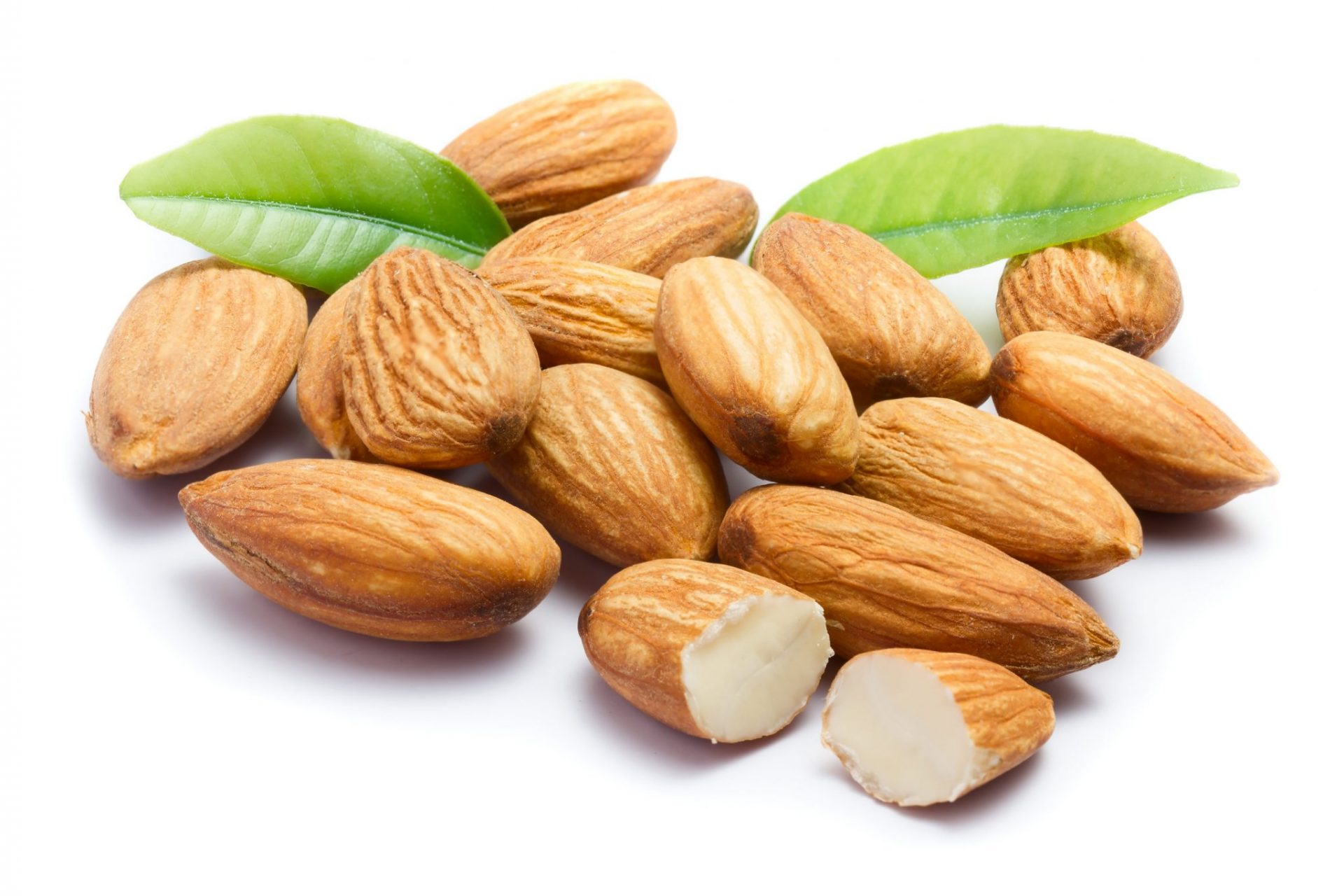
Almonds


Almonds, along with other types of nuts, are rich in vitamin E.

Vitamin E can greatly slow down degeneration of the eyes and protect them from cataracts.

A handful of almonds each day will provide you about half the recommended daily dose of vitamin E.

Throw a few berries into the mix and you’ll be well on your way!

Source


Carrots


Bugs Bunny was onto something after all.

Carrots, along with other orange fruits like pumpkin, sweet potato and mango are known to provide great benefits for your eye health through the substance they contain called lutein, which is also found in egg yolks and greens.

Carrots also contain beta-carotene, which the body converts into vitamin A.

Source


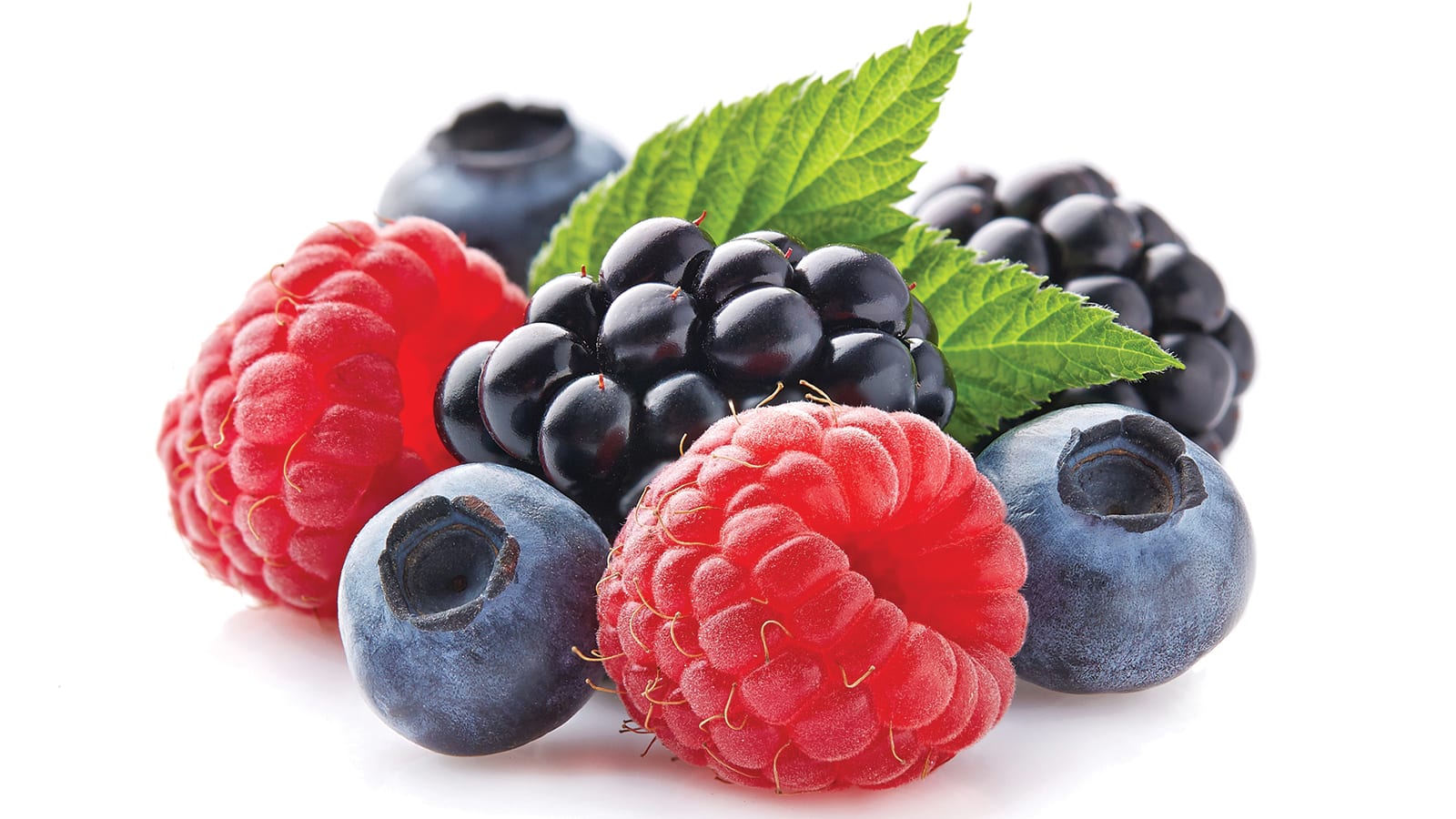
Berries


Blueberries in particular are one of the best fruits – and foods, for that matter – for your eyes. This is due to the large quantities of vitamin A, C, E and zinc.

Vitamin A is an antioxidant that prevents inflammation, vitamin C works to relieve eye pressure (which can lead to glaucoma in excess) and vitamin E prevents cataracts from forming. Zinc also protects against night blindness as well as macular degeneration.

As a bit of a bonus to this entry, citrus fruit are also great for your eyes. This is due to their high concentration of vitamin C.

Source


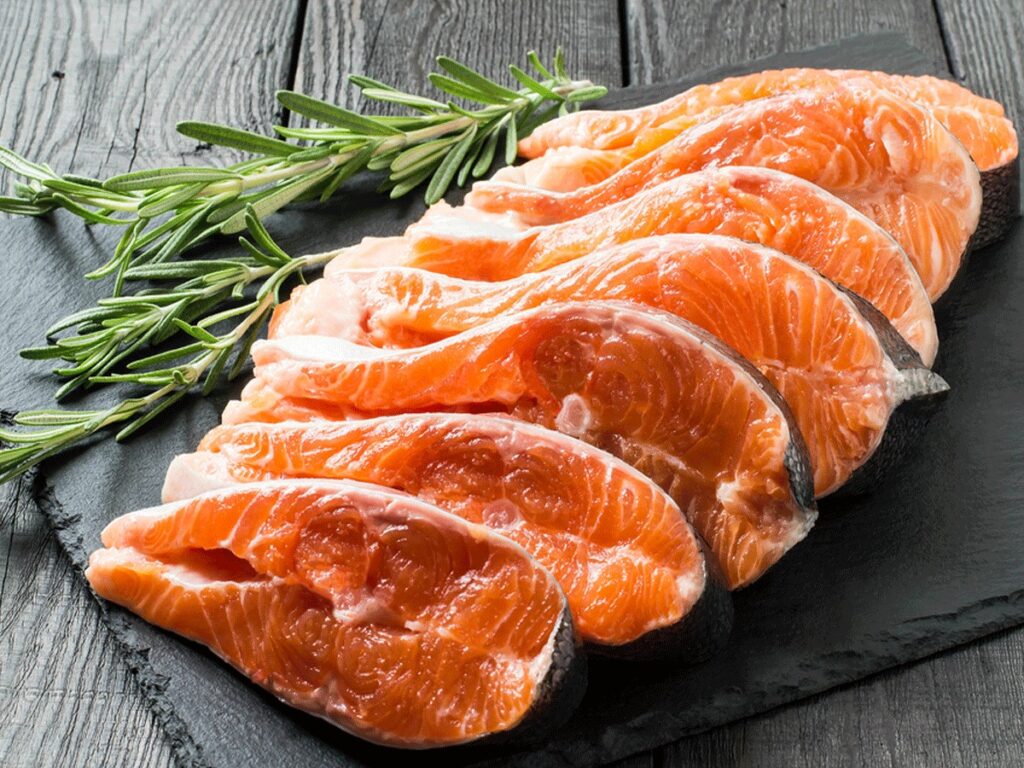
Fatty Fish


Fatty fish like salmon, mackerel and anchovies are great for your eyes due to the presence of fatty acid DHA. This substance is inherently found in our retinas and prevents macular degeneration.

So how fishy should you get?

Two or four servings of the fish I’ve listed above should be enough to give your eyesight a hand.

If you don’t fish, you’ve got a couple choices; for one, you can take fish oil supplements or flaxseed oil.

Source


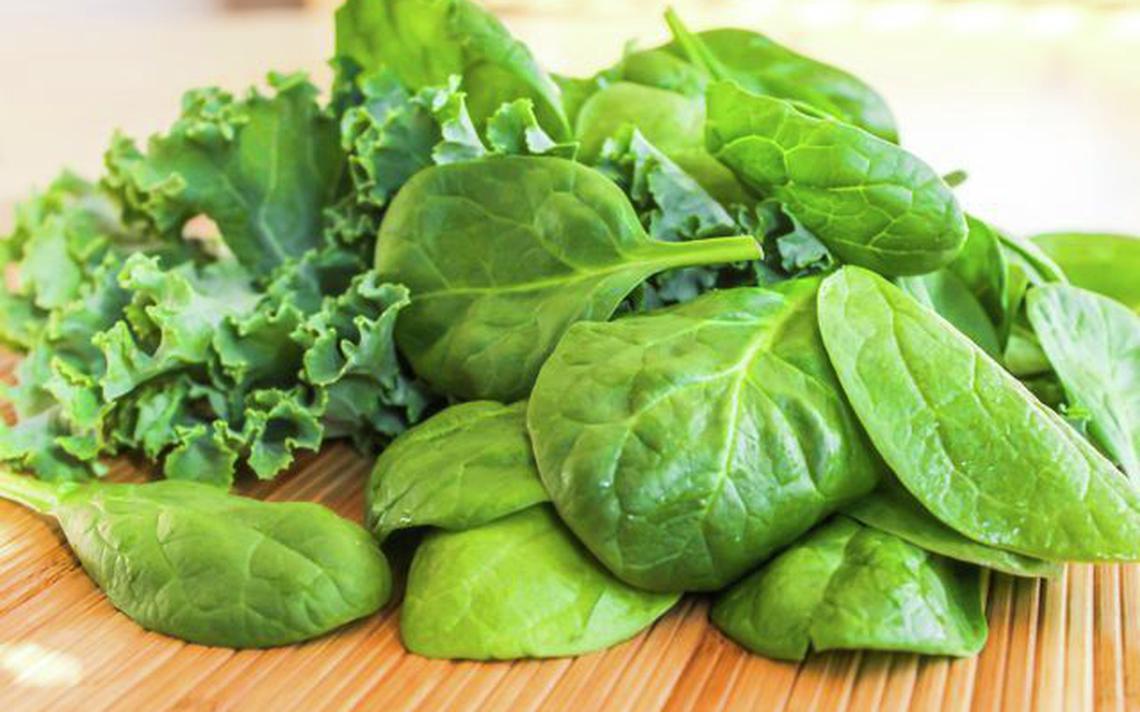
Leafy Greens


Leafy greens like spinach, kale and turnip greens contain a fantastic amount of lutein and zeaxanthin.

These have been proven to reduce the risk of eye diseases like macular degeneration and cataracts.

You can further reap the benefits of these greens by cooking them in olive or coconut oil.

Source


Missing This Vitamin In Your Diet Is Causing You Migraines And Headaches

Missing This Vitamin In Your Diet Is Causing You Migraines And Headaches

Missing This Vitamin In Your Diet Is Causing You Migraines And Headaches

Approximately 28,000 million Americans suffer from a migraine.

This type of a headache is extremely painful and attacks suddenly, without a warning.

In some cases, it makes people see nothing except blurry spots while in other cases individuals get a pounding headache and they are forced to lie down for the rest of the day.

Nausea, vomiting, and light sensitivity are the most common migraine symptoms.

There have been conducted many studies about the reasons which can cause a migraine.

Some of them showed that weather changes can be the cause, especially living in the hot temperature regions, and also consuming excessive amounts of sugar in 1-2 day period.

It is considered that change of serotonin levels in the brain or reduction or increment in blood flow to the brain, can be another reason for the occurrence of migraines.

According to a recent study, the deficiency in vitamin B6, B12, folic acid, and vitamin D, can be the cause of frequent migraines.

Actually, you can increase your risk of migraines by 300% if these vitamins are not present in your diet. So, it is of great importance to ensure that your body is getting the recommended intake of these vitamins.

It is confirmed that these foods can trigger migraines:

  • Anchovies
  • Avocados
  • Bananas
  • Caffeine
  • Citrus Fruit
  • Cheese (aged)
  • Chocolate
  • Figs
  • Herring
  • Lentils
  • Peas
  • Peanuts
  • Processed Meats
  • Raspberries
  • Raisins
  • Red Plums
  • Sardines
  • Soy Sauce
  • Wine

Other things that can trigger migraines:

  • Fatigue
  • Lack of sleep
  • Skipping meals
  • Flashing lights
  • Change in pressure
  • Pungent smelling substances such as perfumes, paint, or chemicals
If you suffer from a frequent migraine, you should take notes of the food you consumed and everything you did on the day you had a migraine. In this way, you can identify a potential trigger which will help you to protect yourself from a future migraine.
Headaches Can Reveal Certain Health Conditions. See Here How!

Headaches Can Reveal Certain Health Conditions. See Here How!

We all suffer from headaches from time to time. The easiest and natural way to relieve this pain is to eat a banana and drink lots of water.

Still, this cannot always work. There are different types of headaches, with different symptoms, so many people get misdiagnosed by their doctors.

Many types of headaches can`t be treated with the common conventional treatments. Dehydration and fatigue are the most common reasons for headaches, but they can also indicate some more serious health problems.

Headaches Can Reveal Certain Health Conditions. See Here How!


Dr. Sakib Qureshi is a famous neurologist who explains how headaches can often be manifested by warning signals, so we need to learn how to distinguish a common headache from the ones which can be a sign of some alarming condition.

In case of a headache, don`t take a pill immediately, check first if it`s caused by some other health issue.

There are 4 most common types of headaches and they all indicate some problem in our body. You need to learn how to read the signs, in order to treat them properly and in time.

Painkiller can be replaced with some natural alternative which can be quite effective in relieving the pain.


1. Sinus headache

Sinus headache is caused by sinus inflammation, resulting in severe pain. Also it can be caused by some infection, leading to pressure on the forehead, cheeks and the eyes, accompanied by fever.

Treatment: Drink as much fluids as you can. If you can, drink warm water, it can be very useful in reducing inflammation and in opening the sinuses.

Also consume food rich in vitamin C, like oranges or green tea. Vitamin C is rich in antioxidants which help the fight against infections.

Another way to alleviate sinus headache is to apply hot and cold compresses, eat warm soup or fresh ginger, because it has anti-inflammatory properties and it`s very effective in reducing pain.


2. Tension headache

The most common type of headaches is the tension headache, which is manifested by constant pressure on the head, especially on the neck or the back of the head.

This type of headache can also cause radiating pain above or below the eyes. It leads to nausea and vomiting.

Tension headache is usually caused by stress, which leads to contraction of the muscles of the neck or scalp.

Treatment: Ginger tea and peppermint oil are very effective in treating tension headache. Ginger tea is known anti-inflammatory agent. Adding peppermint oil to the hairline can cause cooling sensation, which can relax neck and head muscles.


3. Cluster headache

Cluster headache appears over one of the eyes. In most cases, it affects women. This type of pain is recurring, it appear in cycles.

Cluster headache appears suddenly, without any warning, resulting in severe pain on one side of the head. Typical symptoms are runny nose, watery eyes and nasal congestion.

The real cause of this type of headache is still uncertain, but it occurs when some nerve pathway from the brain`s base gets activated.

Treatment: Capsaicin cream is very effective due to the content of cayenne pepper, an active ingredient. Apply a small amount of the cream to the nostril- this will result in blockage of the nerve pain signals.


4. Migraine

Migraine pains usually occur in people between the age of 25-55, but this is not a rule, they can be experienced regardless the age. Statistics say that around 38 million Americans suffer from migraines.

Migraine pain is more complicated than other types of headaches, because it includes many different neurological symptoms. Migraine pain is severe, throbbing and intense, and it occurs on one side of the head. Only one third of migraine pains occur on both sides.

Migraine is accompanied by nausea and vomiting, dizziness, sensitivity to light, sound, smell and touch, visual disturbance and numbness in the face. The pain goes from the top of the head downwards.

Treatment: Many migraine patients have had benefits with this problem using vitamin B12 (riboflavin), as well as omega-3 fatty acids and magnesium.

Proper amounts of these nutrients can event prevent migraines.

A study from 2011 shows that aerobic exercises can also be very effective in preventing migraine headaches- the effects are almost the same as taking topiramate, a medication for preventing migraine. This means that regular exercising can replace conventional medications.

 Relieve Headache In Just 5 Minutes No Matter How Strong It Is

Relieve Headache In Just 5 Minutes No Matter How Strong It Is

Some people occasionally suffer from extremely intense, meltdown migraines which cause debilitating pain, and make eve the easiest daily tasks impossible to do.

WebMD reported that migraines accompanied by the throbbing, pounding pains can lead to sensitivity to light, nausea, and vomiting.

In an attempt to soothe this pain, people often use various commercial painkillers available today, but their side-effects are sometimes even more severe that the issue they are initially trying to treat.

Relieve Headache In Just 5 Minutes No Matter How Strong It Is


Even though many of the popular over-the-counter medications can temporarily relieve the pain, they have serious side-effects, including liver damage, kidney issues, increased stroke and heart attack risk, heartburn, nausea, rash, allergies, upset stomach, and stomach ulcers.

Therefore, people often need to choose between these medications and face harmful side-effects, or live with the pain.

However, we have some good news. Apparently, there is another choice you can make, and that is to treat this issue naturally! You can treat migraines in less than 5 minutes, with the help of some simple ingredients that are already in your kitchen!

The solution we are suggesting is inexpensive, safe, and extremely effective. You need to mix some lemon juice and Himalayan sea salt. This combination can relieve the migraine pains extremely fast.

According to Livestrong, this is due to the ability of the Himalayan sea salt to detoxify the body and thus supports the proper functions of the body. Moreover, it provides numerous minerals needed for the body, which are completely natural and have not been chemically processed or refined.

All you need to do is to mix 2 teaspoons of this salt with the juice of one lemon. Then, drink this mixture and within a few minutes- it will soothe the terrible migraine headache.


If You Often Have Headaches, Low Energy, and Insomnia, Start Consuming These Microelements

If You Often Have Headaches, Low Energy, and Insomnia, Start Consuming These Microelements

If You Often Have Headaches, Low Energy, and Insomnia, Start Consuming These Microelements
Most of us tend to think that symptoms like headaches, lack of energy, and insomnia are symptoms of hard work.

Though this forms one part of the reason, the other reason can be low levels of some crucial vitamins in your body, specifically magnesium and vitamin K. This article will give you all the fast facts you need to know about these important microelements, so just keep reading.

Magnesium

Magnesium is one of the most important vitamins your body needs in order to function properly. It takes part in over 300 chemical reactions that happen in your body!

It’s responsible for creating protein from amino acids, boosting your energy, soothing pain and reducing anxiety and stress, among many other things.

Low magnesium levels have been known to cause the reduction of serotonin levels (the happy hormone), therefore, triggering health issues such as depression and fatigue. Consistent low magnesium levels can eventually lead to even worse health issues in the long-run, such as hormone imbalances, digestive issues, hypertension, etc.

Magnesium sources

Dietary allowances (RDA) for magnesium are 400 mg for men aged 19-30 and 420 mg for older; for women, 310 mg for ages 19-30 and 320 mg for older.

Here are the top sources to get your daily dose of magnesium:
  • Spinach
  • Nuts
  • Brown rice
  • Bread (especially wholegrain)
  • Fish
  • Meat
  • Avocado
Vitamin K

Vitamin K is also a very important vitamin for your body due to its role in synthesizing proteins. It’s also responsible for preventing blood clots and bruising and also helps stop bleeding.

In the long-run, it also helps reduce the risk for prostate cancer and Alzheimer’s disease and protect arteries and valves from calcification (calcium build up in the body).

When vitamin K levels are low, it can increase the risk of fracturing or breaking bones. When partnered with vitamin D, however, it can help properly lead calcium to your bones and strengthen them over time.

Vitamin K sources

The recommended daily allowance (RDA) for vitamin K varies depending on age, gender, and weight. However, a simple guide for adults is 0.001mg of vitamin K for every 1kg (2.20lbs) of body weight.

Here are the top sources to get your daily dose of vitamin K:
  • Herbs such as basil, sage, thyme, parsley, coriander, marjoram, and chives.
  • Green leafy vegetables such as kale, spinach, mustard greens, collards, beet greens, turnip greens, and other greens.
  • Salad greens such as spring onions, garden cress, radicchio, watercress, romaine lettuce, red lettuce, rocket, celery, and iceberg lettuce.
  • Brassica vegetables such as Brussels sprouts, broccoli, cabbage, pak choi, savoy cabbage, and cauliflower.
  • Hot spices such as cayenne pepper, paprika, chili powder, and curry.
  • Other great sources: asparagus, fennel, leeks, okra, pickles, soybeans, olive oil, and dried fruit.
Focusing on eating a well-balanced, organic, mostly plant-based, healthy diet will certainly ensure that you are getting the vitamins and minerals your body needs. Focusing on these two vitamins specifically should start helping chase away those headaches and fatigue in no time!If you chose to take supplements of these vitamins, be sure to consult a health professional about what supplemental options would work best for you.