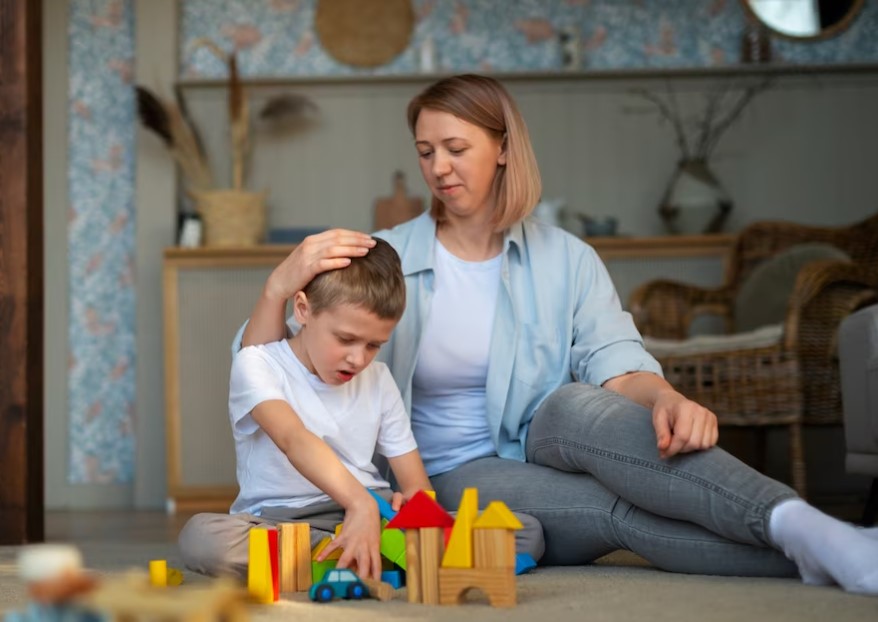
Your Baby Knows You, Feels For You And Loves You!

Your Baby Knows You, Feels For You And Loves You!

Your Baby Knows You, Feels For You And Loves You!


With all of the diaper changes, crying, and feeding, parents frequently forget how much their children adore them. But here are a few little examples of how they do it.

Let's start off with the truth. Even though you wish it were true, your baby is not here to acknowledge your restless nights, excruciating morning sickness, or even your difficult birth. But they are undoubtedly there to help you form a connection with your child and experience those gooey, heartwarming moments that you would only ever enjoy with them. This serves as their love oath. Your baby will love you back if you love them. We're not kidding when we claim it's the most romantic sensation there is.

So, when does your baby start speaking to you in their “baby way”?

They Know It Is YOU, Their Mom

Even before they are born, they know it’s you, their mother. If you are wondering how they do it, then know that it all lies in their senses.

A baby would use their sense of smell, hearing and vision to identify you as their mother. And what is astonishing is that they develop a bond even before they are born, somewhere in and around your seventh month of pregnancy, your baby has already started to recognize your voice. There is ample research that has shown babies responding in the womb just by hearing their mother’s voice.

The attraction doesn’t end here. Your baby would have an unremarkable attraction for your smell. What is amazing is that babies can distinguish their mother’s milk from others within few weeks of their birth. The smell of your skin relaxes your baby, which is why most healthcare providers stress on some skin-to-skin bonding.

Astonished yet? Your baby’s love for you has just begun, because by one-week after birth, your baby has learnt to recognize your face. In fact, the University of Sheffield in England found that babies at six months of age are better at picking out individual faces among a group of people than adults. So by one week, they know who’s who.

So, if you are worried that your baby will not recognize you, you are in for a pleasant surprise. They already know who their mom is even before they are born.


They’ll Totally Flirt

And we mean it. Babies flirt, and we mean that coy smile, meaningful looks, giggles, and the whole charade within a month. All this is just another declaration of love. Soon enough, as parents you start mimicking them too, and as goofy as it can appear to the outside world, this is important for their attachment with you. By four months, your baby won’t be able take their eyes off you.

Remember to flirt back, and don’t be afraid of coochie-coo. That smile is a way of the baby showing how happy they are with you, so why hold back, and share the same.


Smooches Galore

Nah-nah, don’t expect chaste pecks, there are some big, sloppy and wet kisses coming your way (sometimes hard, too). Oh, and don’t expect them to land gently on your cheek, for it would be on any part that is closest to them.

This sudden display of affection would start when your darling is about a year-old. Their enthusiasm stems from the fact that they are now paying attention to their mother’s affection, and they want you to do the same. Babies love this, and they rather practice on Mom and Dad, as many times as they want – so don’t stop them.

No matter what the environment your baby is in, they will remind you that they love you despite the incessant pooping, long nights of feeding, and crying non-stop. This is some of their ways to express their “thank-you”, and being available for them would speak volumes. Don’t hold yourself back, for you are in for some heart-melting moments (specially reserved for parents) or, at least till they have their teenage hormones raging.


Source: CureJoy

18 Ways to Get Rid of Baby Acne Naturally

18 Ways to Get Rid of Baby Acne Naturally


18 Ways to Get Rid of Baby Acne Naturally

Baby acne is a common ailment that strikes infants between the ages of two to three weeks and a few months. The majority of pediatricians agree that there is no known cure for infant acne because it is so prevalent and will quickly go away as long as the infant's face is gently cleansed. Your baby's doctor might advise a more practical course of action in cases where the symptoms are severe. What you need to know about getting rid of infant acne is provided here.


What is Baby Acne?

Baby acne is greatly normal, so your little sweetie won’t be the main infant wearing such “immature” skin. In the interim, don’t scour, treat it. Simply wash it with water a few times daily, then pat it dry.


What does This Inflammation Look Like?

Baby acne typically manifests as red bumps or pimples, just like skin inflammation does in adolescents and adults. Additionally, white pustules or whiteheads may form, and reddish skin may enclose the knocks.

Children are capable of causing skin irritation wherever they go. However, the cheeks are where it is most frequently seen. Some kids may also have skin irritation on their backs.

If your child is fussy or crying, baby acne could become more pronounced. Sharp textures and salivation that remains on the face for a very long time can both irritate skin. Baby acne out might be available during childbirth. Much of the time, nonetheless, it will create inside two to four weeks after birth. It might keep going for a couple days or half a month. However, a few cases may stick around for a while.

What Causes Baby Acne?

The correct reason for baby acne is not known. It has been proposed that plausibility of a typical fiery or invulnerable framework reaction in infants could be a cause. There have not been any affirmations on whether this could be identified with hypersensitivities or whether the child is breastfed or equation nourished. As indicated by webmd.com, it is felt that infant skin inflammation is brought on by presentation to maternal hormones in the womb which cause overproduction of sebum obstructing pores of the skin. They can keep going for quite a long time or even months on child’s skin.


By and large, the rash is safe and does not create any distress. However, in the initial couple of months of a child’s life, any ill-advised related with different side effects, for example, fever, poor nourishing, laziness, or particularity and cough should be assessed by a pediatrician as quickly as time possible.


Baby acne will generally vanish without treatment. A few children may have skin break out that waits for a while rather than only fourteen days. To treat this obstinate type of child skin inflammation, your pediatrician may recommend a sedated cream or balm that can help clear up the skin break out. Try not to use over-the-counter skin inflammation medications, confront washes, or creams. Your infant’s skin is extremely touchy at this youthful age. You may exacerbate the skin inflammation or cause extra skin bothering by utilizing something that is excessively solid.


Home Remedies to Treat Baby Acne

Following are some effective home remedies to get rid of baby acne:

1: Clean Baby’s Skin with Mild Soap

Wash your child’s skin with water and mellow infant cleanser. Wash your endearing face’s with warm water regularly. For extreme child skin inflammation, a mellow cleanser may likewise be utilized.

Utilize cleanser planned for children at whatever point conceivable. Cleansers implied for teenagers or grown-ups might be excessively unforgiving for your child’s skin.

On the off chance that you can’t utilize cleanser implied for infants, utilize a gentle saturating facial cleanser or a cleanser with a high rate of emollients. These cleansers are normally sufficiently mellow for most children. However, you ought to stop utilize quickly if your infant’s skin turns red or if the skin inflammation deteriorates.

Note:

  • Try not to wash the face of your baby more than once per day. Over-washing the skin can disturb it, bringing on oil-delivering organs to work significantly more and eventually making more skin inflammation.


2: Avoid Scrubbing Your Baby’s Skin

When you wash your baby’s face, do as such by tapping it or wiping it down tenderly. Since the acne is brought about by over-dynamic oil organs as opposed to dirt, cleaning the skin will just aggravate it and cause the organs to create more oil.

Note:

  • Utilize a soft terry washcloth to wipe your child’s skin.


3: Carefully Pet Dry Baby’s Skin

Utilize a delicate terry shower towel to tenderly gesture of congratulations the skin totally dry. Do not wipe or scour baby’s face dry, since doing as such can additionally chafe the skin and create more oil.


4: Do not Use Oily Lotions

Try not to utilize lotions that contain oil. Abstain from applying moisturizer to the face, particularly over skin break out secured patches, since cream can disturb the issue. In the event that you are worried about how dry your baby’s face appears due to the skin inflammation, utilize a saturating infant cleanser as you rinse the skin to limit additionally drying out and congratulate the skin dry as quickly as time permits.

Note:

  • Despite the fact that the patch of baby acne may appear to be dry, the way that it is created by over-dynamic oil organs implies that including further oil will just exacerbate the skin inflammation.


5: Do Not Press the Bumps

Don’t, under any situation, try to “pop” your child’s zits, since doing as such is never useful and is quite often destructive. Squeezing the skin inflammation chafes the skin. As the skin gets disturbed, the oil-producing organs respond by creating more oil. More oil can bring about far more terrible skin inflammation.


6: Honey for Baby Acne

You can try honey and lemon juice. This mixture has normal calming properties that are protected and powerful in treating child skin break out.

How to Apply

  • Mix 1 teaspoon of lemon juice and 1 teaspoon of honey
  • Plunge a cotton swab in the arrangement then apply to the influenced range
  • Leave the arrangement on for 30 minutes and wash off with warm water and pat dry


7: Breast Milk Remedy

Breast milk is a super food for the babies. It can likewise be the best medication, because of its antimicrobial properties. A few moms discover it can help clear up baby acne. You can consider it as baby’s first acne removal cream. It’s free and available, so there’s no reason not to take a stab at rubbing a little wherever child has skin inflammation in case you are breastfeeding. Those zits will clear within a couple of months, leaving no enduring imprints. It implies your little one will have perfect skin in a matter of moments.


8: Cornstarch

It has characteristic skin drying properties and controls overabundance oil creation. It is therefore that cornstarch ought to just be utilized once day by day and specifically on risky regions.

How to Apply:

  • Blend a little measure of cornstarch with some water at room temperature
  • Onto clean region, apply a thin layer of this glue utilizing your finger-DO NOT scour
  • Leave this for 10 minutes
  • Wash off with warm water and pat dry
  • Do this once a day until the skin inflammation vanishes


9: Coconut Oil

It is broadly assessed by moms as the most secure baby acne treatment. It is the most supporting oil you can put on your tyke’s skin. It is effortlessly ingested to the skin and has durable advantages for the skin. It is a healing oil that has normal antimicrobial properties. It is the most widely recognized among home solutions for infant skin inflammation and most moms swear by the way that it can avert and dispose of child skin inflammation or diaper rash.

How to Apply:

  • Get small amount of coconut oil, utilize sparingly
  • Clean the influenced territory with mellow cleanser and dry
  • Apply a thin layer of coconut oil to the influenced territory
  • Do this twice day by day until the baby acne is gone
  • Coconut oil also help you prevent the baby acne


10: Oatmeal for Baby Acne

Oatmeal is saturating and can remove the baby acne. This remedy is not very useful because contact with the eyes of your baby can cause irritation. Utilize oatmeal to treat infant skin break out on different parts of the body and mitigate other rash conditions like diaper rash and unfavorably susceptible skin rashes.

How to Apply

  • In a blender or any food processor, mix 1/3 measure of oats until you have fine powder
  • In a bath with tepid water, sprinkle the oatmeal powder and twirl around with your hand to distribute perfectly.
  • Deliberately put the child in the tub and appreciate shower time for no less than 10 minutes
  • You don’t need to wash. Essentially pat dry with a towel

A large portion of us realizes that olive oil is useful for baby’s skin. However, relatively few think about its capacity to recuperate the skin. Here is the reason you can utilize olive oil for baby acne:


11: Olive Oil

Olive oil is rich in crucial vitamins, which makes the recuperating procedure of skin inflammation scars speedier.

It is loaded with cell reinforcements, which keep poisons under control and keep a wide range of diseases.

It has fabulous antibacterial and in addition mitigating properties that are vital for curing skin break out and its scars.

It is non-comedogenic by nature, which makes it a perfect solution for skin break out.

How to Apply

  • Delicately message for 4 to 5 minutes.
  • Once the skin of your baby gets saturated, wipe the overabundance oil far from your baby’s face by utilizing a perfect and warm washcloth.
  • Apply it once every day. Doing it in any event twice consistently before sleep time can help you make the dead tissues milder and dispose of obstinate baby acne effectively.


12: Baby Powder

It is also known as talcum powder can likewise be utilized to treat diaper rash and baby acne. It can dry out skin without obstructing pores. Make sure to look at for the drying-fixing which can either be powder or cornstarch.

How to Apply

  • Clean and dry the influenced territory
  • Apply little measures of child powder into the palm of your hand
  • Utilize fingertips to tenderly rub it on the face
  • You can rehash this each time your shower your baby until the skin breakout is gone

Sprinkling talcum powder to spots that are inclined to amassing of sweat and wetness can likewise help keep the baby dry. Utilize talcum powder with caution particularly when connected close to the face and lungs. It can be conceivably destructive when breathed in.


13: Neem oil

Neem oil or powder, both are intense normal medicines for baby acne. They have capable antibacterial properties. You can get them to purchase on the web or at the neighborhood natural or characteristic sustenance store in your general vicinity.

How to Apply

  • Wash the face of your baby with warm water.
  • Utilize cotton buds to wipe the oil and apply it straightforwardly to the baby acne.
  • You can likewise blend the powder with a little amount of water to shape a paste and apply it to the baby acne.
  • Leave the paste on for 10 minute.

So it can enter the skin and can destroy every one of the microorganisms in the pimples.


14: Papaya

It helps you baby to get rid of baby acne. Papaya kills dead cells and overabundance fat from the skin surface. In its crude shape, it likewise contains papain – a capable catalyst that chops down irritation and stops the arrangement of discharge. That is the motivation behind why it is normally found in numerous business created excellence items.

How to Apply

  • To utilize papaya, cut up fresh papaya, take out the seeds.
  • Mash its flesh till it is sufficiently smooth to be connected to your baby’s face.
  • Wash your baby’s face with warm water and after that apply the papaya for 10 minutes. After that gently use water to wash it off.

How to Prevent Baby Acne

If you want to prevent baby acne, you have to follow the following procedures:


15: A Daily Cleanse

It is useful for your kid’s skin as well and can help lessen the presence of infant skin inflammation. Just utilize warm water to delicately clean the face of your baby and towel dry. You can likewise use a gentle fragrant free cleanser with warm water. You ought not to overcompensate child purifying as the steady wetness can aggravate the infant’s skin and exacerbate the condition even. Switch the baby wipes for plain warm water and clean cotton balls.


16: Avoid Overdo Baby’s Bath

You ought not to plunge your baby into the wash tub until the umbilical stump has tumbled off. In the event that your child has any sort of rash, it is best to restrain the times your baby comes into contact with water and chemicals in cleansers and chemicals. Dunk your baby in the tub twice per week until she begins to creep, bolster and get herself dirtier. Pick mellow aroma free cleanser for showers and stick to it to constrain the assortment of chemicals that come into contact with her skin.


17: Reduce the Irritants

Irritants can be the reason for the skin break out. For example, scents, liquor containing items, solid cleansers or unpleasant textures.


18: Confine Contact with Affected Area

Touching or permitting the child to rub on the skin break out can bring about aggravation and exacerbate the condition. Cover your baby’s hands to prevent rubbing on the acne. It might uncover the influenced skin to air. To avoid and dispose of baby acne, dress your tyke in light garments when the temperatures are high. Expel layers and let your infant’s skin open to air.


When to Visit a Child Specialist

There is no proven treatment for baby acne. However, you ought to counsel your pediatrician in case you are stressed over it. A general checkup is a perfect time to make inquiries about child skin inflammation, and additionally whatever other concerns you may have about your baby’s wellbeing.

In a few children, what you think is baby acne may really be a hypersensitive response or dermatitis. On the off chance that an unfavorably susceptible response is suspected, your child specialist will audit approaches to determine the actual allergen. The rash ought to determine once the allergen is found and expelled from your child’s condition.

Bottom Line: Baby acne can be treated with over-the-counter items like Aquaphor and also Vanicream, or a gentle physician recommended prescription if the child specialist thinks it is essential. It also possible to remove baby acne by expelling nourishment allergens and giving probiotics.


Don’t Use these 5 Phrases When you Talk with Your Child

Don’t Use these 5 Phrases When you Talk with Your Child

Don’t Use these 5 Phrases When you Talk with Your Child

Despite the fact that we are all fallible humans, children view their parents as more than simply regular people. Its founders, keepers, and protectors are the parents. Because of this, what parents do and how they act greatly influence how children think and behave. If the parents are cold and harsh, they will yell and shout when something is wrong, but if they are hungry, they will talk to the parents. People learn from and correct their errors based on how they approach them.


Here are some phrases that you shouldn’t use when you talk to your child:

’You’re worthless’

It may be the worst thing that a child can hear, especially when you’re its mental figure and they expect most of to be approved. In this way you’re putting the child on a journey that never ends to seek approval from the outside world. You’re letting them to believe that they have nothing instead of helping them. Instead of saying this, you can say ‘It is not your day, but you will do better the next time’, or ‘nobody is perfect’, or ‘you can do better’.


’Stop crying right now’

When a child does something for which it knows that it will be punished, it starts crying. That is its emotion even there is no reason to cry. It has the right to express how it feels. By stopping this process, the child will suppress its emotions. You should hug it and explain that it is wrong what it did but it is great to show how it feels.


”I’m disappointed in you”

This is usually said when the child already feels bad. You can be disappointed in everything in this world, but never in your own child because you are there to lead them on the right path. Guide them back when they do something wrong and teach them and explain then what was done wrong and why.


’You’re not (something) enough’

With this, you show the children a restricted image of themselves, implying that they lack in something in order for them to be who they want to be or do what they want to do. They’re enough to be themselves and they need to grow to become what they are. Tell them to practice or train something before so they will grow that way.


’Big girls/boys do not get scared’

In this way, you’re forcing them to reject what they really feel. The fear isn’t a bad thing but it reminds them to be more careful. Tell them not to run away from the fear but to face it and learn from it. Tell them that it is ok to be scared because all of us get scared sometimes. Encourage them that they will do the right thing even when they are scared because they are your heroes.


5 Reasons Kids with Autism Benefit from ABA Therapy

5 Reasons Kids with Autism Benefit from ABA Therapy


5 Reasons Kids with Autism Benefit from ABA Therapy

Early diagnosis and treatment of autism, according to research, result in better outcomes. Thankfully, when the symptoms are present, autism can be identified as early as age two. Early diagnosis provides parents with a head start in assisting their child in thriving in a world that is frequently too overwhelming for their nervous system.


One of the most popular therapies for children with autism, especially younger ones, is applied behavioral analysis (ABA). Children who receive ABA therapy are able to acquire vital life skills that will benefit them for the rest of their lives.


Here are some of the best reasons to try this therapy with your child.

1. They’ll learn how to play

Although most neurotypical children don’t need to be taught how to play, many kids with autism need assistance. Some kids on the spectrum prefer lining up their toys rather than engaging in creative play and they don’t actually know how to imagine scenarios and engage in make-believe. These children need to be taught how to use their imagination because it just doesn’t come naturally for them.

ABA therapy is an excellent way to teach your child how to play. With in-home sessions, ABA play therapy is easy and convenient. It’s also better for your child. The therapist will use your child’s own toys and the familiar environment will produce more favorable results.


2. They’ll learn communication skills, verbal and non-verbal

Whether your child is verbal or non-verbal, they will learn valuable communication skills. Kids don’t need to speak to communicate, you just have to learn their signs. Much of the time, kids with autism are trying to communicate, but their parents don’t notice because they aren’t verbalizing their thoughts.

An ABA therapist will meet your child where they are to help them communicate better, whether through motions or words.

 5 Reasons Children With Autism Deserve ABA

3. They’ll develop motor skills

Motor skills are often difficult for kids with autism. They specifically struggle with planning, posture, and coordination. Most people take planning and coordinating movement for granted. For a child on the autism spectrum, it can be difficult to coordinate even simple activities.

There are a variety of reasons motor skills are difficult, but sometimes kids have difficulty knowing where their body is in space, and it takes longer for their nervous system to process information and relay the signal to their muscles.

Just by engaging in ABA therapy, your child will simultaneously be developing fine and gross motor skills to some degree. For instance, they’ll be learning how to play, picking up items and placing them somewhere specific, and learning to move their body to walk up/down stairs or sit in a chair.


4. They’ll be taught self-care

Kids with autism tend to struggle with forms of self-care, like hygiene. Your child’s ABA therapist can incorporate self-care tasks into their sessions, like combing their hair, brushing their teeth, and even putting on socks and shoes.

It’s important to help your child become as independent as possible, even if it’s never going to be 100%. The more they can do for themselves on their own, the better their life will be. When it comes to hygiene, the older they get, the less likely they are to get help with those tasks.

5. They’ll learn how to follow directions

Many kids with autism struggle to follow directions for a variety of reasons. Sometimes they’re distracted, but other times they don’t fully understand what they’re being asked to do. Longer instructions are harder to follow because some kids forget all the steps involved in the request, even if it’s simple for everyone else.

ABA therapy will help your child learn how to follow directions better. First, the therapist will pinpoint the reason your child struggles, and will work with them to get them on the right path. For example, if your child doesn’t sit down when asked, the therapist will use a variety of techniques to show them what the directive means and how to do it. They might put two chairs together, then take the child’s hand while giving the instruction to sit, and then sit in one of the chairs while pointing to the other chair for the child to copy them and sit.

Your child will do better in life and school when they can follow basic directions without too much of a struggle.


Give ABA therapy a try

The goal of therapy isn’t to make your child seem neurotypical, but rather, to equip them with skills to improve their life in a meaningful way. Every child with autism is different and has unique needs, but for many, ABA therapy is effective.


Healthy Iron-Rich Foods for Pregnancy: Nourishing You and Your Baby

Healthy Iron-Rich Foods for Pregnancy: Nourishing You and Your Baby


Healthy Iron-Rich Foods for Pregnancy: Nourishing You and Your Baby

During pregnancy, proper nutrition is crucial for the health and development of both the mother and the baby. Among the essential nutrients needed, iron plays a vital role. Iron is responsible for the production of red blood cells, which carry oxygen throughout the body. It becomes even more important during pregnancy as the body needs to supply oxygen to the growing fetus. Inadequate iron intake can lead to iron deficiency anemia, which can negatively impact both the mother's and baby's health. Fortunately, there are many delicious and nutritious foods rich in iron that can help meet the increased iron requirements during pregnancy. In this article, we will explore some of the best iron-rich foods for expectant mothers.


Why You Need Iron

The American College of Obstetricians and Gynecologists (ACOG) stress that pregnant women eat a well-balanced diet and pay particular attention to the daily requirements for certain nutrients. Iron and folic acid are among the most important of these.

When you're pregnant, your body needs twice the amount of iron as it normally does. That's because iron is essential to the extra red blood cells your body will create for the baby. The red blood cells carry oxygen to your organs and tissues, as well as your fetus.1 

Iron is important throughout your pregnancy but even more crucial in the second and third trimesters.1 Since the body doesn't actually produce iron, you need to get it from food and supplements. 


Iron Basics

Foods that are naturally high in iron can be very helpful in preventing anemia and therefore relieving the symptoms it can cause. Iron is found in food two forms— heme and non-heme iron. Heme iron is the most efficiently used by your body and less likely to be affected by components that might otherwise reduce absorption.

Supplements range in terms of what form the iron is in. A benefit to getting as much of your daily iron needs from food as possible is that the food sources don’t typically come along with the potential for intestinal distress that some iron supplements can.1

ACOG recommends that pregnant women have a daily intake of 27 milligrams (mg) of iron each day.

It can be difficult to get the recommended amount of iron via food alone. The University of California San Francisco Medical Center notes that cooking in cast iron can increase the iron in foods by 80%, and pairing non-heme iron-rich foods with a source of vitamin C can increase absorption.

In addition, some things can reduce iron intake, like a calcium supplement—so if you take a calcium supplement, take it separately from an iron-rich meal or snack. 


Iron-Rich Foods 

While all animal proteins contain heme iron, some sources may be better options during pregnancy than others.

You’ll also want to avoid eating raw meat and fish, as that could increase your risk for bacterial infection, which can be especially dangerous during pregnancy.

  1. Lean Red Meat

    Lean cuts of beef, pork, and lamb are excellent sources of heme iron, the type of iron that is most easily absorbed by the body. Red meat also provides high-quality protein, zinc, and vitamin B12. Choose lean cuts and cook them thoroughly to ensure food safety.

  2. Poultry and Fish

    Chicken, turkey, and fish are other excellent sources of heme iron. Opt for skinless poultry to reduce the intake of saturated fat. Include fish like salmon, trout, and sardines that are rich in omega-3 fatty acids, which support brain development in the baby.

  3. Legumes

    Legumes such as lentils, chickpeas, black beans, and kidney beans are not only great sources of iron but also provide fiber, protein, and folate. Incorporating legumes into your diet can help meet your iron requirements while promoting digestive health.

  4. Spinach and Leafy Greens

    Dark, leafy greens like spinach, kale, and Swiss chard are rich in iron, calcium, and folate. They are also packed with essential vitamins and antioxidants. Pair these greens with foods high in vitamin C, such as citrus fruits or tomatoes, to enhance iron absorption.

  5. Fortified Cereals and Grains

    Choose iron-fortified cereals and whole grains like oats, quinoa, and brown rice. These foods not only provide iron but also supply other vital nutrients such as fiber and B vitamins. Read labels to ensure that the products are fortified with iron.

  6. Nuts and Seeds

    Snack on nuts like almonds, cashews, and pistachios, which contain iron along with healthy fats. Seeds such as pumpkin seeds and sesame seeds are also rich in iron. Incorporate these nutrient-dense foods into your meals or enjoy them as a satisfying snack.

  7. Dried Fruits

    Dried fruits like apricots, prunes, and raisins are excellent sources of iron and fiber. They make for convenient and nutritious snacks, providing a natural sweetness along with important nutrients.

  8. Tofu

    Tofu, a versatile plant-based protein source made from soybeans, is a good choice for vegetarian or vegan mothers. It contains iron and other essential nutrients. Opt for iron-fortified tofu for an extra iron boost.

  9. Eggs

    Eggs are a nutritious and versatile food option during pregnancy. They provide high-quality protein, vitamins, and minerals, including iron. Choose omega-3 enriched eggs for additional nutritional benefits.

  10. Vitamin C-Rich Foods

    Incorporate foods rich in vitamin C into your diet as they can enhance iron absorption. Include citrus fruits, strawberries, bell peppers, and tomatoes in your meals or have them as snacks.


How much iron do you need in pregnancy?

At a minimum, you’ll need almost twice as much iron during pregnancy as you needed before you were expecting.

The recommended daily amount of iron for women of childbearing age who are not pregnant is around 18 mgTrusted Source. If you’re pregnant, the recommended daily amount increases to a minimum of 27 mg.

The World Health Organization (WHO)Trusted Source recommendations are higher. WHO recommends pregnant women take in between 30 to 60 mg of iron a day.

Ask your doctor or midwife for their recommendations. They may vary depending on various factors, such as number of babies you’re carrying, history of anemia, or size of the baby.


Managing the Summertime Parenting Stress

Managing the Summertime Parenting Stress


Managing the Summertime Parenting Stress

When school is out for the summer, many parents struggle. When there is a break from studying for exams, getting up early, and doing homework, it is enjoyable. It is also a time when life feels a little busier or a little less hectic, depending on your lifestyle. Stress in parenting is a serious problem.

Whether you are happy that the school year is over or not, there is usually a change when summer comes around. Parents around the world begin to worry about how they will balance managing their household or employment responsibilities while serving as the primary coordinator for helping the kids fill their free time.


Parenting Stress Management Techniques

Learn to unwind and enjoy some "me time"! Occasionally, take a bubble bath, put on some music, or organize a fun night out with friends. To allow each person to rest without being held accountable, couples should alternate who is responsible for watching the children.

Plan time to spend with your spouse or partner, on the other hand. It's important to schedule regular "couple only" times. The foundation of your family is your relationship with your spouse, and just like a house, it is better to perform routine maintenance than to wait for problems to arise.

Look for social assistance from others. Your family, neighbours, and friends can assist, whether you need a babysitter or simply someone to listen to.

You can meet other parents who have similar families to your own through your children and who can relate to what you’re going through.

Being emotionally in control may lead to depression undergoing a spravato treatment center.

Parenting Stress and irritation are frequently brought on by false or harmful beliefs about oneself, other people, and the world. Learn to recognise these feelings and intentionally swap them out for healthier ones.

Strike a balance between your family, job, and leisure. To best support your child’s emotional and behavioural development as a parent, you must maintain balance in all areas of your life. If you are not healthy yourself, how can you expect your child to.


Seasonal Parenting

These concerns alone may cause you and your family a lot of unneeded worry during a time that is meant to be enjoyable and relaxing.

Your anxiety may make you want to rip out your hair more than ever and start counting down the days until your children can start school. Take a look at three suggestions for making summertime parenting more fun and less demanding.


Family Tensions Might Rise Throughout the Summertime.

As schools around the nation finish for the year, summer vacation has officially begun, causing schedule issues for many families.

While many students enjoy their summer break, parents and other caregivers could experience more stress as a result. Parents who have to find after-school care for their children or even organise family holidays may feel overworked and overwhelmed.

Planning for summertime activities or vacations might add to the negative coping mechanisms that many individuals already use to deal with daily pressures including money, employment, personal and family health issues, and raising kids.

The APA cautions against relying more frequently on unhealthy coping mechanisms to deal with stress. Such as binge drinking or overeating can result in significant, long-term health issues.


A Great Parenting Stress Reliever is Exercise

Include your youngster in a regular fitness routine that you both like. There may be some yoga asanas, a little lap of the block or a jog, or a ride on a bike through the neighbourhood.

Making an obstacle course out of common home objects in the garden is another fantastic idea. After a hot summer day, the physical exertion may be a pleasant relief for both you and your child.

Don’t forget to take a moment to check your level of aggravation while it’s summer and the days are meant to be carefree, carefree, and enjoyable.

The days of letting kids cruise through the neighbourhood in quest of summertime adventures with pals and staying out until the streetlights came on are long gone.

Sadly, because parents tend to feel more stressed and concerned throughout the summer, our society today is very different. In the modern world, parents are expected to put in 110% of their effort at work and to work as if they don’t have any children.

Being a good parent and a successful employee can often be incompatible, which is particularly common in the summer. Since the COVID-19 Pandemic, parenting has become increasingly more challenging due to program closures. Rising housing and food prices, and juggling working from home with a full house.

Parents worry about how they are going to get through the unpredictable next ten weeks while kids are out of school and ready to have fun.


Environmental Change

We are creatures of regularity and habit in life in general. Our DNA is hard-wired to it. There are so many unknowns throughout the summer for people, especially for parents.

Childcare, self-imposed routines, keeping up with social aspects of their children’s life and needs, food shortages. The vain hope that their child won’t regress in school come September are all things that parents have to worry about.

And adding children with special needs or those who are neuro divergent adds a whole new level of parenting stress.

When asked, the majority of parents report that the most stressful situation is the lack of day care or the unreliability of childcare. If your children are of the appropriate age, you can enroll them in after-school programmes or camps at day care and childcare facilities.

Even though this comparison is obviously unhealthy and unreasonable, we nevertheless attempt to make it. Parents who “keep up with the Joneses” may feel as though they are falling short or not doing enough to please their kids.

At the end of the day, what parents want is for their kids to be happy, healthy, and acclimated to their environment. In terms of raising children. Society has many expectations of us, not to mention our own self-imposed expectations of how it “should be.”

Your children are fed even if you don’t prepare gourmet dinners every day and night. Even if you only have the energy to make a heat-and-eat meal or peanut butter sandwich.


Summer Camp

Children can re-learn lost talents because they are more resilient than we sometimes give them credit for.

It’s acceptable to improvise and take care of your family’s needs if you don’t have the disposable income to partake in “all the things” and activities you desire. 

In the summer, screen time is immaterial; if you need to work for a couple of hours. It’s okay if your child is using a tablet or watching their favourite programme. The two of them are also unwinding. Do what feels right to you at the end of the day.

In conclusion, there is a lot to be anxious and concerned about in this unpredictable environment. For some children, anxiety leads to treatment resistant depression. Be gentle to yourself, spend time with your kids simply “being,” and remember to breathe. Your kids depend on you.

Keep in mind that the tiny people we are raising don’t need flawless parents. They need parents who are content, healthy, and loving. You can offer them the best present.


Effective Home Remedies for Breast Milk Deficiency

Effective Home Remedies for Breast Milk Deficiency

Effective Home Remedies for Breast Milk Deficiency


The usage of fennel seeds, almonds, herbal tea, garlic, onions, parsley, and organic foods are a few home treatments for a lack of breast milk. The secret to preventing a shortage of breast milk is eating well-balanced meals.


Every breastfeeding woman should follow a healthy diet that includes whole foods and drink plenty of milk, juice, and water.


To increase the production of this nourishing meal for infants, home treatments for low breast milk must be used. Breast milk is the cornerstone of a baby's fundamental health. According to medical studies, breastfed newborns fare much better than babies who are not given this essential component of nutrition. The immune system and general health are considered to be strengthened by breast milk. A lot of ladies don't produce enough milk to support breastfeeding. In such situations, it is preferable to turn to natural therapies to enhance milk production in the body rather than taking pharmaceutical drugs. Infants may digest breast milk readily since it is light. A great emotional bond between the nursing mother and her newborn infant is also facilitated by breast milk.


Deficiency Symptoms: An inadequate breast milk supply for the baby may be detected by the following symptoms:

  • Frequent crying by the baby due to an insufficient milk supply.
  • No tenderness of the breast experienced by lactating mothers.
  • Pale complexion of the infant.
  • Breast milk is very clear and dilute.
  • The baby is always weak and tired.

New mothers may often become depressed or highly emotional due to hormonal changes that occur during the rigorous pregnancy and birthing process, which may adversely affect breast milk secretion.

The milk flow may also diminish if the mother mainly uses one breast, or if other supplementary foods are introduced for the milk-suckling infants. Some overweight women also experience problems due to breast milk deficiency. Excessive consumption of coffee, tea, or alcoholic drinks may also lead to an insufficient supply of breast milk.


Home Remedies For Breast Milk Deficiency

Some of the most effective home remedies for breast milk deficiency are as follows:

Fennel Seeds: To produce more breast milk, lactating mothers should consume fennel seeds along with warm water.

Almonds: Breastfeeding mothers may also eat almond and buckwheat or consume almond oil to prevent breast milk deficiency.

Herbal Tea: For a continuous, adequate milk supply to newborn babies, breast-feeding mothers may also try herbal supplements or increase their consumption of herbal teas.

Garlic: Garlic extracts are recommended as one of the best Ayurvedic natural remedies for increasing lactation. Garlic may also be applied over the surface of the breast to kill germs and other harmful microbes.

Onions: Breast-feeding mothers may include raw onions in their diet for increasing their secretion of breast milk. Onion extract may also be applied over the surface of the breast to remove any formation of pus.

Parsley: Parsley leaves are also considered to be one of the finest home remedies for breast-feeding. The leaves may be boiled, wrapped in clean cloth, and then put over the breasts. This may also help in releasing pus.

Organic Foods: According to studies at The Cornucopia Institute, the consumption of organic dairy and meat products is helpful in enhancing the nutritional value of a mother’s breast milk.

Lastly, a breastfeeding mother should remain stress-free to increase the production of milk for her baby. The National Institute of Mental Health has proved that stress hormones and breast milk production are inversely proportional to each other.


Health Benefits Of Breast Milk

Human breast milk is intended for little newborns, and it is the best food that a mother could possibly give her offspring. Some of the natural benefits of breast milk are as follows:

Good Growth: Breast milk is rich with vital nutrients, which help the baby grow properly and significantly adds to all-around development.

Immunity Against Diseases: During breast-feeding, the mother’s immunity powers pass on to the newborn via the antibodies present in breast milk. Medical studies suggest that breast-fed children have fewer health ailments and hospitalization sessions than those infants who are not breast-fed.

Development of the Brain: Breast milk has a balanced core of nutrients that are essential for normal brain development of babies. It protects infants against various diseases as a newborn child’s immune system is not completely developed until the age of 2.

Loss of Fats: All of those breast-feeding mothers who have naturally put on weight during the pregnancy may be glad to hear that breast-feeding helps you burn off this extra fat and stay fit.

Protection against Breast cancer: Scientific researches and medical reports suggest that breast-feeding reduces the risk of breast cancer. It helps keep the breast tissues functioning in a normal, functional way.


How Much Weight Should You Gain During Pregnancy?

How Much Weight Should You Gain During Pregnancy?

How Much Weight Should You Gain During Pregnancy?

Pregnancy is a time of great joy and anticipation, but it can also come with a range of physical and emotional changes. As your body prepares to nourish and support your growing baby, you may wonder how much weight you should be gaining during this time.


While weight gain is a natural and necessary part of a healthy pregnancy, gaining too much or too little weight can have serious consequences for both the mother and the baby. In this article, we will explore the recommended weight gain guidelines for pregnancy, as well as the potential risks associated with gaining too much or too little weight.


The amount of weight a woman should gain during pregnancy depends on her pre-pregnancy body mass index (BMI), which is a measure of body fat based on height and weight. According to the American College of Obstetricians and Gynecologists (ACOG), the recommended weight gain during pregnancy is as follows:

  • For women with a BMI of less than 18.5 (underweight), the recommended weight gain is 28-40 pounds.
  • For women with a BMI of 18.5-24.9 (normal weight), the recommended weight gain is 25-35 pounds.
  • For women with a BMI of 25-29.9 (overweight), the recommended weight gain is 15-25 pounds.
  • For women with a BMI of 30 or higher (obese), the recommended weight gain is 11-20 pounds.

How Much Weight Should You Gain During Pregnancy?

It is important to note that these are general guidelines and that each pregnancy is unique. Women who are carrying multiple babies, or who have certain medical conditions or complications, may require additional monitoring and weight gain guidance from their healthcare provider.


Gaining too much or too little weight during pregnancy can have serious consequences for both the mother and the baby. Excessive weight gain can increase the risk of gestational diabetes, preeclampsia, and complications during delivery, while insufficient weight gain can increase the risk of preterm labor and low birth weight. It is important for women to work with their healthcare provider to monitor their weight gain throughout pregnancy and to make any necessary adjustments to ensure a healthy outcome for both the mother and the baby.


In conclusion, pregnancy is a time when a woman's body undergoes many changes, including weight gain. By following the recommended weight gain guidelines and working closely with a healthcare provider, women can ensure a healthy pregnancy and a safe delivery. It is important to remember that each pregnancy is unique, and that weight gain recommendations may vary depending on individual circumstances. By staying informed and taking an active role in their own care, women can have a positive and fulfilling pregnancy experience.