5 Tips to Healthy Eating With Diabetes

5 Tips to Healthy Eating With Diabetes

5 Tips to Healthy Eating With Diabetes


Diabetes is a chronic disease that affects millions of people worldwide. Diabetes is brought on by a problem with the body's capacity to produce or utilize insulin, a hormone that controls blood sugar levels. For diabetes to be effectively managed, maintaining a healthy diet is essential. Meal plans for diabetics are created to aid in blood sugar management and guard against complications like kidney, heart, and stroke disease.


It can be difficult to maintain a healthy diet, especially if you have diabetes. It's crucial to realize that managing diabetes is a lifetime commitment that calls for a certain amount of self-control and drive. However, eating healthily can be simple and enjoyable with the right strategy. In this article, we'll go over five suggestions for eating well while managing diabetes, including meal planning, portion control, and the significance of including a variety of nutrient-dense foods in your diet.


1. Choosing Healthy Carbohydrates

It’s crucial to be aware of the foods that contain carbohydrates, as all of them can affect blood glucose levels. To make healthier choices, opt for foods that provide carbohydrates and be mindful of portion sizes. 

Here are some healthier options for carbohydrates:

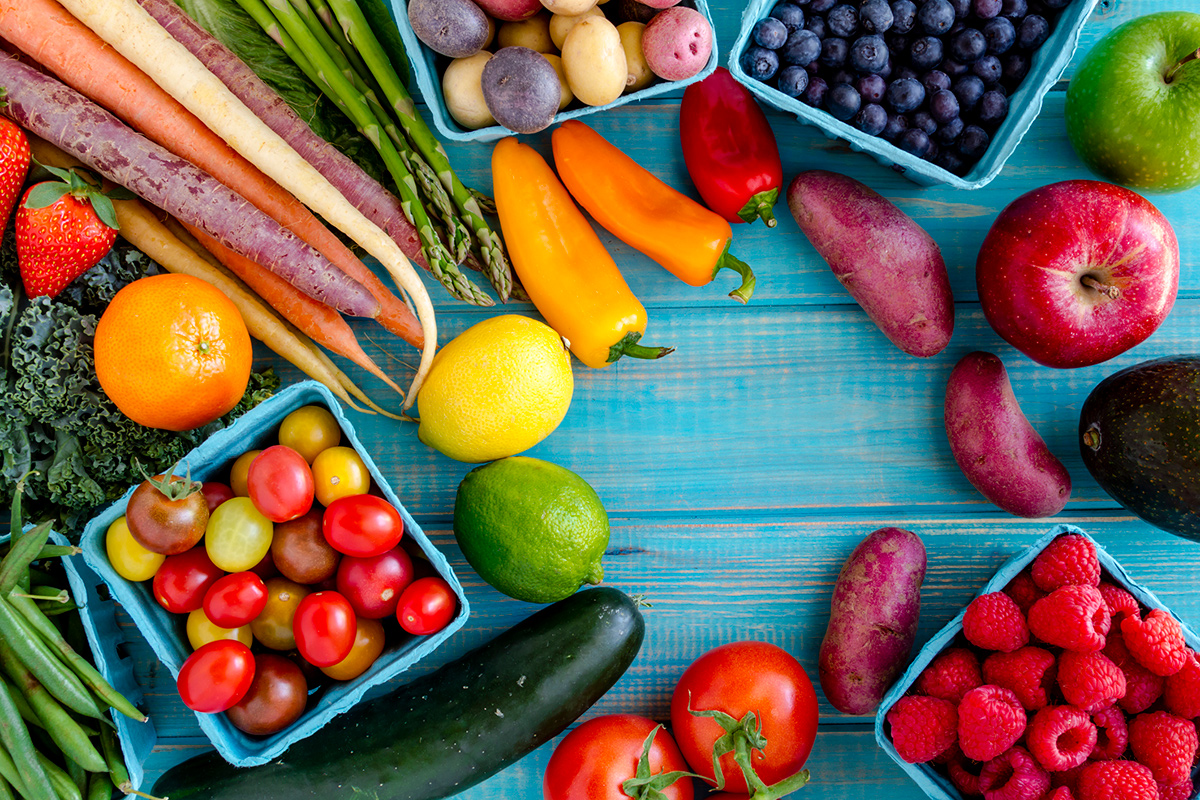
  • Fruits such as Apples, Berries, Oranges, Bananas and Pineapple
  • Whole grains such as brown rice, quinoa and whole wheat bread
  • Vegetables like Potatoes, Sweet potatoes, Squash,  Peas and Corn
  • Chickpeas, beans, and lentils are known as pulses, they are a great source of carbohydrates


2. Avoid Using Sugar

Avoiding sugar is an important step in maintaining healthy blood sugar levels for people with diabetes. Here are some more detailed tips for avoiding sugar:

  • Read labels: Be sure to check the ingredients list on food labels to see if sugar has been added. Many processed foods contain added sugars, so be sure to check for them. Look for names like sugar, high fructose corn syrup, molasses, honey, and agave nectar.
  • Experiment with natural sweeteners: There are many natural sweeteners that can be used instead of sugar, such as honey, maple syrup, agave nectar, and stevia. These sweeteners are derived from natural sources and are less processed than sugar.
  • Add sweetness with fruits: Fruits like bananas, berries, and apples can add natural sweetness to your meals and snacks. They also provide many essential vitamins, minerals and fibers.
  • Cook and bake with sugar substitutes: There are a variety of sugar substitutes available that can be used in cooking and baking, such as erythritol, xylitol, and monk fruit extract. They have a lower glycemic index than sugar and can be used in smaller quantities.
  • Reduce sugar intake gradually: It can be hard to quit sugar cold turkey. Gradually reduce your sugar intake by cutting down a little bit each day. 


5 Tips to Healthy Eating With Diabetes

3. Eat More Fruits and  Vegetables

Eating more fruits and vegetables can provide numerous health benefits. These foods are rich in vitamins, minerals, and fiber, which are essential for maintaining overall well-being. 

Instead of avoiding fruits due to their natural sugar content, it’s important to remember that the sugar found in whole fruits is different from the added sugar found in processed foods. To get the most nutritional benefit, try to incorporate a variety of fruits and vegetables into your diet throughout the day, whether it be through incorporating them into meals or having them as snacks. 

When it comes to fruit juice, it’s best to opt for whole fruits as fruit juices often contain added sugars. Fresh, frozen, dried, or canned fruits (in juice, not syrup) are all great options. 


4. Choosing Healthy Fat

Eating a diet that includes healthy fats can have many benefits for your overall health. Some examples of healthy fats include: 

  • Monounsaturated fats, such as those found in olive oil, avocado, and nuts, can help lower bad cholesterol levels and reduce the risk of heart disease. 
  • Polyunsaturated fats, such as those found in fatty fish (such as salmon and tuna), flaxseed, and walnuts, can also help lower bad cholesterol levels and reduce the risk of heart disease. They also provide essential omega-3 fatty acids, which have been linked to improved brain health and cognitive function. 
  • Avocados are a good source of healthy monounsaturated fats and also contain potassium, fiber, and antioxidants. 
  • Omega-3 fatty acids, found in fatty fish, flaxseed, and walnuts, can reduce inflammation, improve brain health and cognitive function. 

It’s important to note that while it is important to include healthy fats in your diet, consuming too much of any type of fat can lead to weight gain and other health problems, so it’s essential to eat them in moderation as part of a balanced diet.


5. Eat Less Salt

Incorporating a diet with less salt can have numerous benefits for your overall health. One of the main advantages is that it can help lower blood pressure and reduce the risk of heart disease. This is because consuming high amounts of salt can cause your body to retain fluids, which in turn can increase blood pressure. The American Heart Association recommends that adults limit their daily sodium intake to no more than 2,300 mg, with a preferred limit of 1,500 mg or less. 

To achieve this, it is important to be mindful of the sources of salt in your diet. Processed foods, such as canned soups, frozen dinners, and snack foods, are often high in salt, so limiting consumption of these types of foods can help reduce your salt intake. Instead, opt for fresh, whole foods and flavor them with herbs and spices, as they are a healthier and delicious alternative to salt. 

Another way to reduce your salt intake is by reading nutrition labels when grocery shopping. Many packaged foods contain hidden sources of salt, so it’s important to choose low-sodium options. This can be a bit tricky, as the sodium content can be listed under different names such as “salt,” “sodium chloride,” “monosodium glutamate,” etc. so you should be aware of them. 


Final Words

Maintaining a healthy diet is a crucial aspect of managing diabetes. By following these five tips, you can make sure that your diet is well-balanced and supports your blood sugar levels. It’s important to remember that everyone’s nutritional needs are different and that it’s always best to speak with your healthcare provider or a registered dietitian before making any major changes to your diet. With the right plan, you can enjoy a healthy and balanced diet while managing your diabetes.


Top 10 Foods for Great Hair – Tips for Healthy hairs

Top 10 Foods for Great Hair – Tips for Healthy hairs

Almost every girl is very conscious about their hair even nowadays boys also want long and shiny hair. There are many expensive hair treatments due to which you can get perfect long and shiny hair but it is not possible for everyone to afford such expensive treatments. Therefore, you can take proper diet to improve the growth of hair.  A proper good healthy diet is very effective for skin and hair. There are many foods that are helpful to get great and shiny hair. Today, in this article we will share with you top 10 foods for great hair. They are as follow.

Top 10 Foods for Great Hair – Tips for Healthy hairs


Use Salmon:

Salmon include omega 3 fatty acid in it, which is very good for hair. Therefore, try to increase the intake of salmon. Omega 3 fatty contains anti inflammatory properties that helps to open the hair follicles and improve hair growth.

Our body needs Vitamin A to create sebum. It is an oily substance that is creates by our hair. It provides natural conditioner that is healthy for our scalp. You can eat vegetables that are orange, yellow colored to increase the efficiency of Vitamin A in your body.

Intake of Zinc and Selenium:

A lack of selenium and zinc can cause dry hair, hair fall and flaky scalp. The intake of beef, eggs, oyster, fortified cereals and wholegrain are the great source of selenium and zinc.

Include Biotin rich food in your diet:

A little biotin in body can cause hair fall and rough hair. Include foods that contain biotin in your diet such as egg York, liver, wholegrain, and yeast. It is great food for hair.

Eat spinach:

To eat spinach once or twice a week is really healthy for hair. It helps you to provide nutrition to the body.  Spinach also contain vitamin B, C and E. try to include it in your diet.

Walnuts:

Walnuts are very good for hair. It will help you to improve the growth of hair. The walnuts include biotin in it. Therefore, try to eat walnuts daily to get great hair.

Eat Carrots:

Carrot is not only good for eye but also very helpful to improve the hair growth. It contains Vitamin A in it that is very good for hair. It will give you great shiny hair.

The use of eggs in your diet:

Mostly people directly put egg onto their hair that works like a conditioner for hair. To get beautiful long hair, you can also eat eggs.

The intake of iron rich foods:

To get great long hair, it is important to eat foods that contain iron in it such as green vegetables. But remember, don’t over cook your vegetables, it may loss all its iron.

Sweet potatoes:

Sweet potatoes include beta carotene and beta carotene is the combination of vitamin A and C which is very good for hair. Therefore, try to eat sweet potatoes once a week.

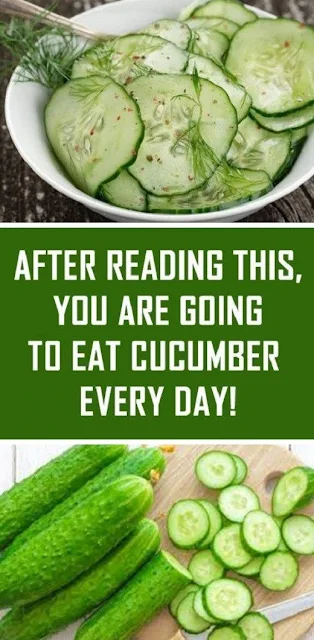
After You Read This, You Are Going To Eat Cucumber Every Day!

After You Read This, You Are Going To Eat Cucumber Every Day!

Cucumbers can be a real treat during the summer months thanks to their refreshing taste and high amount of water they contain. Moreover, they are also very good of your health and you should try to include them more in your diet.


These refreshing veggies contain almost zero calories but plenty of nutrients which give them their medicinal properties. Cucumbers belong to the Cucurbita family, a vine, alongside pumpkins, melons, zucchinis and the likes and originate in Northern India’s Himalayans plains.

After You Read This, You Are Going To Eat Cucumber Every Day!


They may have originated in India but their popularity grew rapidly, spreading all around the globe in no time. They come in a variety of shapes and colors but the most commonly used ones are dark green in color with a crunchy flesh with small edible seeds inside. As the cucumber grows its skin gets harder, the plant bigger and the seeds become yellow – a sign that it’s no longer edible.


Cucumbers should be a part of every healthy diet plan for a number of reasons and we’re listing the most important ones:

High in minerals

They contain a high amount of minerals like magnesium, potassium and silicon, all vital for a number of important bodily functions.

Great for toxins elimination

They also have a high water content which is good for flushing out toxins and even kidney stones, completely painlessly.
Excellent for diabetics, people with high cholesterol and blood pressure problems

They are rich in fiber, potassium and magnesium, compounds that are known to regulate your blood pressure. Cucumber juice, on the other hand, contains a hormone pancreatic cells need to secrete insulin.

Abundant in vitamins

If you want to stack up on vitamins make sure you munch on a cucumber because they have all the vitamins your body needs, including vitamin B, C and A, which give you energy and stimulate your immune system.

Moisturize the body

Did you know that a cucumber is made of 90% water? No wonder it’s so refreshing, hydrating and moisturizing for your skin.

Improve your joints

We mentioned that they abound in silicon which strengthens your joints and connective tissues. Moreover, if you combine it with carrots you get a powerful anti-gout and arthritis remedy.

Support kidneys health

Cucumbers lower the uric acid amount in the body thus preserving your kidneys health.

Digestion and weight loss

Since they contain very low calorie count but have high water content they’re a great addition to every diet.

Fresh breath and healthy gums

When you chew on a cucumber you refresh you gums and treat possible inflammations. They also contain phytochemicals that fight against the bacteria in your mouth that causes bad breath.

Improved hair and nails quality

They are rich in silicon and sulfur which are important nutrients for good and healthy hair and nails. They also stimulate their growth.

Fight solar damage

Consuming cucumbers balances out your skin’s acidity, so you can use them against sunburns.

Great against hangover

Since they abound in vitamin B, electrolytes and sugar they can help with headaches and hangovers. If you feel like you’ve had one drink too many eat a few slices of cucumber before you go to bed.

Say goodbye to dark circles

Cucumbers have potent anti-inflammatory properties which are effective in the elimination of dark circles and under eye bags.

Great taste

Aside from being super healthy they’re extra delicious and refreshing as well. Prepare them however you like and enjoy them all summer long.

HERE’S AN EXCELLENT LOW-CALORIE CUCUMBER RECIPE:

  • 2 cups cucumber (peeled and chopped)
  • 1/4 cup red onions (chopped)
  • 2 tbsp. fresh parsley (nicely chopped)
  • 1/2 cup tomato (chopped into small cubes)
  • 4 ½ tsp. cilantro (fresh and chopped)
  • 1 chili pepper (chopped and without seeds)
  • 1 garlic clove (chopped)
  • 1/4 cup Greek yogurt (cottage cheese/ricotta)
  • 1 ½ tsp. lime juice
  • 1 ½ tsp. lemon juice
  • 1/4 tsp. sea salt
  • 1/4 tsp. cumin powdered

PREPARATION:

Mix everything until it’s nicely combined and serve on a slice of whole grain bread. Bon appetite!

6 Indications That You Are Eating Excessive Sugar

6 Indications That You Are Eating Excessive Sugar

Sugar is one of those things which must be consumed in very small amounts. But our bodies love sugar. Sugar can give us quick energy and we all know how energy-hungry our bodies are. It is very important to remember that even if we want to eat a lot of sugar, we must not.Our diets must always be balanced, including intake of sugar.


6 Indications That You Are Eating Excessive Sugar


It is possible that your body is facing issues of excessive sugar consumption if you face any of these issues:

You Always Desire Sugar
Sugar is a very addictive substance.The more we eat sugar, the more we crave for it. It is possible you will feel lethargic without sugar and keep wanting more sugar every time. But sugar will only give you small energy bursts followed by immediate exhaustion.

Putting On Weight
Sugar has no protein or fiber, so the sugar that our bodies burn results in calories. In order to burn sugar, our bodies must produce insulin. In order to burn all the sugar we eat, our bodies must produce a lot of insulin, which can result in insulin obstruction. As our bodies block out more insulin, we end up gaining more weight since the sugar is not being burnt effectively. This is also when our pancreas is overpowered.

Flu
Sugar can also affect the immune system in adverse ways lending it ineffective against flu or cold viruses. Hence, it is always good to eat as little amounts of sugar as possible.

Foods Do Not Taste Sweet Enough
A high sugar intake will lead us to grow a tolerance to its overbearing sweetness. The taste buds in our tongue end up expandingand due to this, it will make other foods taste less sweet than they originally are. Reducing the intake of sugar will contract the taste buds and thus, restore our ability to taste sugar again.

Brain Haze
If you experience the feeling of haziness after eating large meals, it is a sign that your sugar levels escalate rapidly and then crash suddenly. This is a serious problem and you must see a doctor and get this checked. It is also extremely important to reduce sugar consumption at this juncture.

Skin Problems
Excess sugar also causes problems such as dryness, dermatitis, and rosacea. These conditions will go away on their own if you consume a lower quantity of sugar in your diet. Sugar can also result inplantar fasciitis – a condition that causes heel and sole tissues to thicken. Excessive sugar consumption can also cause adrenaline exhaustion, which can lead to the formation of dark circles under your eyes.

In case you face any of the mentioned problems, try to reduce your sugar consumption and look for improvements in health. It is also highly recommended to consult a dietician or doctor in case the health problems persist for a long period of time.

We certainly hope you will be careful before drinking that entire bottle of Coke next time. Won’t you?
The Only Chia Seed Pudding Formula You Need (No Recipe Required!)

The Only Chia Seed Pudding Formula You Need (No Recipe Required!)

As a mason jar breakfast lover who often gets into ruts of eating the same thing every day, chia seed pudding is saving my life. So what is chia seed pudding anyway? It's ...

1. Crazy easy to make— just a mix of chia seeds and nut milk, soaked overnight to turn into a creamy pudding sort of like tapioca pudding, no cooking necessary.

2. Not actually pudding, despite its name. It's more reminiscent of a healthy parfait similar to fruit and yogurt or overnight oats (my breakfast go-tos, until now!).

3. A surprising mix of textures from the creamy chia pearls that offer a surprising crunch from the seed at the end.

4. Perfectly portable—just layer it up in a mason jar in the morning for a packable breakfast or snack for work.

Follow these simple steps to see just how easy it is to make delicious breakfast combos of your own.

Related: Breakfast Recipes That You'll Jump Out of Bed For

 
Step 1: Ch-ch-ch-chia!

You can't have chia pudding without chia seeds. One serving starts with just 2 tablespoons of seeds, so don't let the cost turn you away—that bag of chia will go far. Plus, this superfood packs in 3 more grams of fiber and 4 more grams of healthy omega-3 fats per serving than oatmeal.


Step 2: Liquid

This is where the true beauty of chia pudding comes in—it fits into most diets. If you're vegan or dairy-free you can use nut milk, if you have a nut allergy you can use rice or soy milk and if you are a dairy-loving freak like me, you can use dairy milk and even a little bit of yogurt. Really 1/2 cup of any liquid should do the trick. Just be aware that some milks set up more than others due to varying protein and fat content, so add a little more or a little less milk to achieve the texture you like best. These are our favorites:

• unsweetened almond milk
• unsweetened coconut milk
• unsweetened cashew milk

 
Step 3: Flavor up!

If chia pudding becomes your new go-to grab-&-go breakfast, don't be afraid to get away from the same old, same old. It's so easy to add a little bit of sweet and spice to your milk and chia mixture for an ultra-flavorful pudding. Sweeten things up with just 2 teaspoons of the following:

• pure maple syrup
• honey
• sugar
• brown sugar
• jam

To take the flavor punch to the next level, add up to 1 teaspoon of one of these boosters:

• vanilla extract
• almond extract
• coconut extract
• cocoa powder
• ground cinnamon
• ground cardamom

Stir this combo together in a bowl, then pop it in the fridge overnight. In as little as 8 hours, your chia pudding will be thick, creamy and ready for topping.

Step 4: Top it off!

After soaking, chia seeds make a pudding with a dynamic creamy texture. Now, add some toppings to create even more delicious flavor and add heft for a satisfying breakfast or snack. Mix up the soaked mixture and layer it—in a jar (to take on the go!) or in a bowl—with chopped fruit, to sweeten up the mixture even more without extra added sugars, and a sprinkle of toasted chopped nuts for crunch and a little extra protein. Mix and match 1/2 cup of fruit, such as:

• raspberries
• blueberries
• blackberries
• sliced banana
• diced apple
• diced mango

And try 1 tablespoon of nuts, like these:

• sliced almonds
• chopped pistachios
• chopped pecans
• flaked coconut


just 2 weeks Eating more fruits, vegetables boosts psychological well-being

just 2 weeks Eating more fruits, vegetables boosts psychological well-being


Fruits and vegetables are a pivotal part of a healthful diet, but their benefits are not limited to physical health. New research finds that increasing fruit and vegetable consumption may improve psychological well-being in as little as 2 weeks.

 Study leader Dr. Tamlin Conner, of the Department of Psychology at the University of Otago in New Zealand, and colleagues found that young adults who were given extra fruits and vegetables each day for 14 days ate more of the produce and experienced a boost in motivation and vitality.

The researchers recently reported their findings in the journal PLOS One.

According to the United States Department of Agriculture, adults should aim to consume around two cups of fruits and around two to three cups of vegetables daily.

One cup of fruits is the equivalent to half a grapefruit or a large orange, and one cup of vegetables is proportionate to one large red pepper or a large, baked sweet potato.

As part of a healthful diet, fruits and vegetables can help reduce the risk of obesity, type 2 diabetes, heart disease, stroke, and some types of cancer.

In recent years, studies have suggested that fruit and vegetable intake may also improve mental health. For their study, Dr. Conner and team set out to investigate this association further. 


Increased motivation, vitality with higher intake of fruits and vegetables

The researchers enrolled 171 students aged between 18 and 25 to their study, and they were divided into three groups for 2 weeks.

One group continued with their normal eating pattern, one group was personally handed two additional servings of fresh fruits and vegetables (including carrots, kiwi fruit, apples, and oranges) each day, while the remaining group was given prepaid produce vouchers and received text reminders to consume more fruits and vegetables.

At the beginning and end of the study, participants were subjected to psychological assessments that evaluated mood, vitality, motivation, symptoms of depression and anxiety, and other determinants of mental health and well-being.

The researchers found that participants who personally received extra fruits and vegetables consumed the most of these products over the 2 weeks, at 3.7 servings daily, and it was this group that experienced improvements in psychological well-being. In particular, these participants demonstrated improvements in vitality, motivation, and flourishing.

The other two groups showed no improvements in psychological well-being over the 2-week period.

Furthermore, no improvements were seen in symptoms of depression and anxiety in any of the groups. "The majority of research linking depression to dietary patterns has been longitudinal, meaning that possible differences in ill-being may be established over a much longer period of time rather than our brief 2-week period," note the authors.

Still, the researchers say that their findings indicate that increasing the intake of fruits and vegetables through personal delivery may lead to rapid benefits for psychological well-being.

The team concludes that:
    "Providing young adults with high-quality FV [fruits and vegetables], not texting them reminders to eat more FV and giving them a voucher, resulted in improvements to their psychological well-being over a 2-week period.

    This is the first study to show that providing high-quality FV to young adults can result in short-term improvements in vitality, flourishing, and motivation. Findings provide initial validation of a causal relationship between FV and well-being, suggesting that large-scale intervention studies are warranted."


The Benefits and Risks of Eating Eggshells

The Benefits and Risks of Eating Eggshells


The health benefits of egg whites and yolks are widely known, but what about eggshells? While the majority of us simply bin these outer layers without a second thought, there have been suggestions that the shells carry some serious nutritional worth.

Eggshells are made up of 95% calcium carbonate, with a single shell providing around two grams of calcium. Comparatively, a glass of orange juice provides just 11 milligrams. Not only does this promote bone and muscle health, but it can also help relieve common issues such as heartburn, acid indigestion and stomach problems.

Frida Harju, in-house nutritionist at health app Lifesum, gives further insight.

"Eggshells are thought to be good sources of calcium, with almost double the recommended daily calcium in one egg shell. There have also been studies which found that egg shell powder could be useful for bone health and even reducing the pain of osteoporosis."

The risks

Recycling your eggshells also carries environmental benefits, as it is estimated that the US alone is responsible for 150,000 tones of shell waste. However, while the benefits of dietary calcium cannot be disputed, you might want to think twice before making use of any leftover 'raw' eggshells. Frida warns:

"Eggshells can be covered in bacteria and even carry salmonella, so I would recommend getting your daily dose of calcium from other sources. Another alternative for egg shells could be to use powdered egg shells in flower pots and vegetable patches by adding it to the soil, in order to enrich the plants." 

Still keen?

If you are thinking of adding eggshells to your diet, then you need to make sure that they are properly prepared to get rid of any bacteria, as well as buying organic eggs in the first place, Frida says.

"In order to make sure that the eggs are free of bacteria, you should boil them first, then dry them out in an oven for one hour. For human consumption, make sure that the shells are ground into a fine powder which can then be integrated into your morning smoothie, or a sprinkling can be added to pasta dishes along with dinner."

Calcium-rich alternatives

The good news is that there are plenty of other nutritious foods that can provide you with that much-needed calcium boost. Frida says:

"You can get your daily calcium requirement from other food sources, especially dairy products like cheese, milk and yoghurt. However, if you don't consume dairy, then soy-based products like soy milk is often fortified with calcium, but make sure to read the labels before you buy to make sure the product contains enough calcium. Similarly, vegetables like cabbage and broccoli contain calcium, as do foods like nuts and certain types of fish."
However, too much calcium can be as dangerous as too little, so make sure you don't overdo it – adults only need one gram per day.
Vitamin K2: The Missing Nutrient for Optimal Health

Vitamin K2: The Missing Nutrient for Optimal Health


I’m sure you’ve heard of vitamin K and its role in blood clotting but did you know that this vitamin exists in two forms namely vitamin K1 (phylloquinone) and vitamin K2 (a group of compounds known as menaquinones)?

So what you may wonder. Well, vitamin K1 deficiency is rare and practically nonexistent, unlike vitamin K2 deficiency.

Unfortunately, although vitamin K2 could be the ‘missing link’ between diet and numerous fatal health conditions, it hasn’t been much in the spotlight. In this article, we’ll unravel everything you need to know about this little-known nutrient.

Top 5 health benefits of vitamin K2


1.Vitamin K2 could keep cardiovascular diseases at bay.

New evidence has confirmed that vitamin K2 can offer protection against heart disease via the different mechanisms described below.


Did you know that about 20% of atherosclerotic plaques (from the early to the more advanced stages of heart disease) are made up of calcium?

Calcification of the arteries is a massive risk factor for heart disease and that’s where vitamin K2 comes in. By regulating calcium metabolism, vitamin K2 ensures that calcium gets deposited in the bones and teeth where it belongs and out of soft tissues like the arteries and veins where it can cause tremendous damage. Vitamin K2 also ensures that the arteries remain elastic and flexible and thus allows blood to flow easily through the body.


Vitamin K2 also tones down inflammation while preventing accumulation of lipids and white blood cells in the arteries. In other words, this vitamin can help keep heart disease at bay by reducing the risk of plaque formation which marks the debut of atherosclerosis (the hardening of arteries).


Another mechanism by which vitamin K2 can protect you against heart disease is through the activation of Matrix GLA Protein (MGP), a protein which is in charge of protecting arteries and veins against calcification.

Damage to your blood vessels – this can be caused by a diet high in sugar or an unhealthy lifestyle amongst other things – elicits an inflammatory response which can cause calcium to deposit in the damaged tissue. This plaque buildup is the underlying mechanism that can lead you down the road to a heart attack.

However, if your intake of vitamin K2 and D is sufficient, these two nutrients will work together to increase MGP which will then inhibit calcium from being deposited in your soft tissues.


How can you predict your risk of heart disease?

One of the things you could do is to determine your calcium score test – this test measures the calcification of arteries and provides a much more accurate prediction of your future risk of heart disease than your cholesterol levels.

If your calcium score is high, taking therapeutic doses of vitamin K2 (under the supervision of your health care provider) while improving your diet and exercising more can help reduce your calcium score.

Research Findings
In the Rotterdam Study, scientists investigated the vitamin K2 intake of more than 4,800 men who were over 55 and thus constituted a high-risk age group for heart disease. The subjects were divided into three groups based on their vitamin K2 intake. Those with the highest intake of dietary vitamin K2 per day (33 micrograms) had a 52% lower risk of severe calcification of the aorta, a 41% reduced risk of coronary heart disease and a 51% lower risk of death due to heart disease. This group also showed a 26% lower risk of death due to any causes.

What’s really interesting is that although the study participants consumed, on average, 10 times more dietary vitamin K1 than vitamin K2, the researchers didn’t find any relationship between vitamin K1 intake and the risk markers described. In other words, simply consuming lots of vitamin K1 will not provide you with the same health benefits as dietary vitamin K2.

Take home message: Getting sufficient dietary vitamin K2 has been linked to a significantly reduced risk of heart disease. Vitamin K1 does not appear to possess the same health benefits.


2.Vitamin K2 may reduce risks of osteoporosis.

Let me ask you something: if you wanted to optimize your bone health, what would you do? Ensure that you’re getting enough dietary calcium, vitamin D and magnesium while doing some weight-bearing exercises?

That’s great; but you’d also have to add vitamin K2 (and intestinal health optimization) to that list.

You see, this fat-soluble vitamin is necessary to activate osteocalcin, a protein secreted by osteoblasts the body’s bone-building cells. Once activated, osteocalcin can pull calcium into the bones where the osteoblasts then incorporate it into the bone structure. This process ameliorates bone architecture; increases bone mass and strength while improving the bone’s collagen structure (cross-linking of fibrous tissue) to promote the formation of tough but supple bone which is less vulnerable to fractures. That’s not all; together with vitamin D3, vitamin K2 can help prevent bone loss.


Study findings
In a 3-year study, post-menopausal women taking vitamin K2 supplements experienced a much slower decline in bone mineral density.

Scientists have also discovered that women living in western Japan (where the diet is lower in vitamin K2) had a significantly higher risk of hip fractures compared to those living in Tokyo where vitamin K2 rich foods are regularly consumed.

Take home message: Getting sufficient vitamin K2 may help optimize your bone health and research indicates that this vitamin could protect against fractures while reducing the risks of osteoporosis.


3. Vitamin K2 may enhance dental health.

You’re most likely aware that diet leaves a colossal footprint on teeth structure. Or that well-formed teeth are more resistant to decay.

‘How does that help me? I’m a grown up with already formed teeth…’ you’re probably muttering to yourself.

Well, let me tell you something: your teeth can heal themselves if the right nutrients and conditions are present. Although more research is warranted, current evidence suggests that vitamin K2 could help prevent and even reverse tooth decay in various ways as explained below.

To better understand the role of vitamin K2 in teeth health, it can help to know that the tooth consists of four layers. The hardest outer shell of the tooth is known as the enamel and is the most mineralized of the four layers. Below the enamel is another protective mineralized layer, called the dentin. The pulp which contains blood vessels and nerves is found below the dentin and just above the cementum another mineralized tissue which coats the roots.

If your enamel is poorly structured – this can happen if your diet is deficient in nutrients or rich in refined carbs and sugar – it will demineralize easily. And that’s when decay sets in.

It’s worth noting that tooth decay is an opportunistic infection caused by bacteria living in the mouth. When you eat carbs (especially refined ones or sugar), the bacteria also feed on these, producing acid which gradually dissolves the enamel. As the cavity progresses, it penetrates the dentin and can reach the pulp.

Provided that your diet is healthy, decaying tooth can heal itself by:

  • Remineralizing the enamel and dentin.
  • Promoting the growth of new dentin – the hard-work here goes to odontoblasts, specialized cells in the pulp.

Vitamin K2 may help strengthen your teeth

Want a healthy smile?

If so, make sure to get enough calcium, vitamin D and phosphorus in your diet – these nutrients all play a major role in the formation and maintenance of mineralization in healthy teeth and gums during childhood and adulthood.

Your teeth become more resistant to cavity formation when the protein osteocalcin triggers mineralization (the deposition of calcium and phosphorus salts in your teeth). This mineralization process strengthens the enamel while stimulating the growth of new dentin (the calcified tissue under your enamel).

Wondering what that has got to do with vitamin K2? Well, for osteocalcin to do its job effectively, it needs to be activated by vitamin K2.

Vitamin K2 may help prevent tooth decay.

Dr Weston Price reported that ‘Activator X’ (now known as vitamin K2) influenced the composition of saliva by reducing the amount of bacteria contained in the saliva. Dr Price found that a vitamin K2 concentrate could significantly reduce the Lactobacillus acidophilus count. This bacteria has been associated with tooth decay.

In an experiment, Dr Weston Price monitored the dental health of poor children after feeding them a very nutritious diet including lots of vitamin K2, vitamin D and various minerals. Before and after X-rays clearly showed that the diet helped re-calcify the children’s cavity-ridden teeth.

Take home message: Vitamin K2 can help optimize dental health by enhancing mineralization of teeth and reducing bacteria that promote tooth decay.


4. Vitamin K2 promotes healthy brain function

Autopsies have shown that the brain contains one of the highest concentration of vitamin K2 in the body – between 70 to 93% of the vitamin. This wide range in vitamin K2 concentrations in the brain may imply that we convert vitamin K1 to K2 less efficiently and are therefore more dependent on dietary vitamin K2.

Studies suggest that vitamin K2 supports enzymes that are involved in the synthesis of lipids known as sulfatides within the brain. As we age, brain concentrations of vitamin K2, sulfatides and proteins dependent on vitamin K start to fall. This decline has been linked to neurological degeneration that occurs with aging. In fact, autopsies of human brains affected with early stage Alzheimer’s disease indicate 93% lower sulfatides levels in the brain.

Neuroscientists discovered that vitamin K2 could counteract the effects of one the genetic defects which causes Parkinson’s disease, namely a reduction in mitochondrial activity. (Mitochondrias can be regarded as the power plants of cells.) When the energy producing processes of mitochondrias are disrupted, they cannot produce enough energy for the cell – this causes brain cells to start dying off, affecting communication between neurons and leading to typical Parkinson’s symptoms.

Vitamin K2 may also play at least two other roles in the brain:

Protein gas6 which is dependent on vitamin K2 promotes brain cell survival.
Vitamin K2 completely protects cells that synthesize myelin against damage caused by free radicals. [The myelin is a protective fatty layer that insulate nerve fibers in the central nervous system and enables them to quickly transmit impulses from the brain to other parts of the body.]
Based on observations from animal studies, researchers speculate that a vitamin K2 deficiency could lead to fatigue and learning issues in humans. Extreme deficiencies of the vitamin can also increase predisposition to seizures.

Take home message: Vitamin K2 deficiencies can cause cognitive decline, learning issues, fatigue and serious conditions like seizures, cerebral palsy and mental retardations especially during infancy when the human brain is extremely vulnerable to oxidative stress.


5. Vitamin K2 can reduce recurrence of cancer.

Experiments on cells indicate that vitamin K2 possess potent anti-carcinogenic properties that may make it a potential candidate in the prevention and treatment of cancer.

Vitamin K2 is able to hamper cancer development via several pathways:

  • Altering growth factors as well as the tumor’s receptor molecules– this reduces the tumor’s ability to grow and spread.
  • Halting the reproductive cell cycle – this prevent the cancer cells from multiplying.
  • Promoting the synthesis of a DNA-degrading protein which is usually suppressed by cancer cells. This process prevents cancer cells from effectively repairing themselves.
  • Triggering programmed cancer cell death.
  • Stimulating oxidative stress– cancer cells are highly vulnerable to oxidative stress. Healthy tissues remain unaffected.
  • Causing cancer cells to split open – this occurs in the presence of vitamin C.
  • Preventing the formation of new blood vessels which favor the rapid growth of cancer cells.

Research Findings
Clinical trials suggest that vitamin K2 could decrease reappearance of liver cancer and increase survival rate.

Research also shows that vitamin K2 is able to safely inhibit the development and metastasis of brain tumors, bladder cancer, colorectal cancer, human hepatocellular carcinoma (a common and lethal form of liver cancer), human leukemia cells, lung cancer, and stomach cancer.

In an observational study involving about 11,000 men, researchers found that those with the highest intake of vitamin K2 had a 63% lower risk of advanced prostate cancer. Vitamin K1 showed no such benefit.

In another study, cancer patients either received vitamin K2 or a placebo. 87% the cancer patients in the supplemented group survived the first three years compared to 64% in the control group. Plus, the group which took the supplement showed much lower cancer recurrence rates compared to the control group:

12.5% vs. 55.2% at 12 months;
39.0% vs. 83.2% at 24 months;
64.3% vs. 91.6% at 36 months.

Take home message: Vitamin K2 could help prolong the life of cancer patients and may reduce the incidence of various cancers.

Who needs extra vitamin K2?

Practically everyone – as mentioned, unlike deficiencies of vitamin K1, vitamin K2 deficiencies are very prevalent and scientists have concluded that most of us are not consuming enough of K2 to enable proteins dependent on this vitamin to function at their peak and maintain long-term health.

And if you’re diabetic, you may have a higher need for vitamin K2: patients with diabetes often have lower MGP levels in their arteries. This could be one the factors behind the higher prevalence of arterial calcification and heart disease among diabetics.

If you suffer from digestive disorders or regularly take antibiotics, you may also need more vitamin K2: if digestion is impaired, your body may not be able to absorb sufficient vitamin K2.